1. Introduction to Research Peptides
1.1 What are Research Peptides?
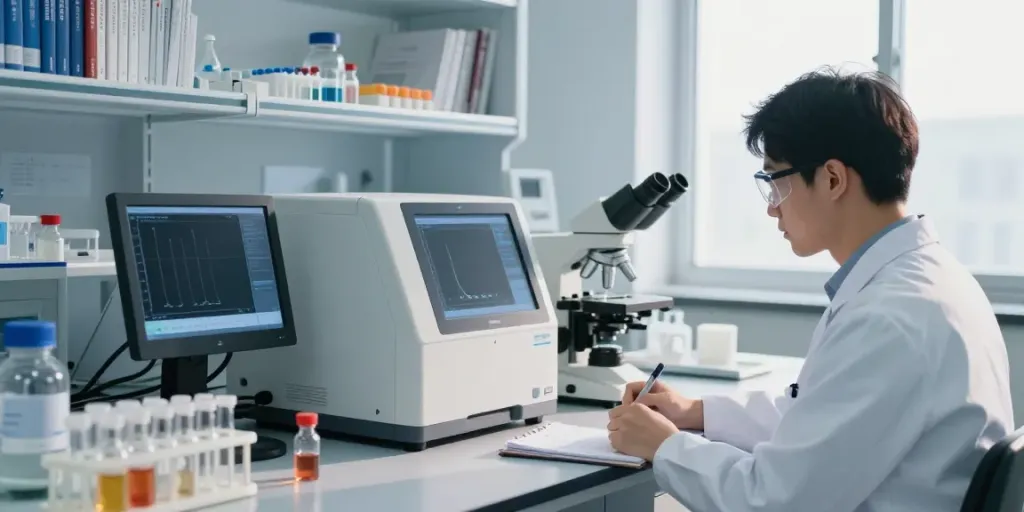
Research peptides are short chains of amino acids that play a critical role in biological processes. Comprised of two or more amino acids, these peptides are essential for various cellular functions, influencing growth, healing, and overall health. They serve as signaling molecules that can potentially harness various therapeutic benefits, resulting in their increasing popularity in the fields of medicine, cosmetics, and fitness. Advances in peptide synthesis and research methodologies have allowed for the development of specific peptides that target particular health issues.
1.2 Importance in Scientific Studies
The significance of research peptides in scientific studies cannot be overstated. They serve as model compounds in drug discovery processes due to their capability to mimic natural biochemical pathways. Researchers utilize peptides to explore physiological responses, leading to breakthroughs in areas such as cancer treatment, metabolic disorders, and neurodegenerative diseases. Furthermore, peptides are integral in the development of innovative products that enhance skin health and anti-aging treatments, reflecting the growing intersection of biochemistry and cosmetic science.
1.3 Common Applications in Health and Beauty
In the health and beauty sectors, research peptides are widely applied for their rejuvenating properties. They've found their way into skincare formulations, hair care products, and other cosmetics. Their ability to promote collagen synthesis and cell regeneration makes them formidable agents against aging. Additionally, peptides like copper peptide ghk-cu have shown promise in enhancing the beneficial effects of topical treatments, positioning them as key components in the modern cosmetic industry.
2. The Science Behind Copper Peptide GHK-Cu
2.1 How Copper Peptides Work
Copper peptides, particularly GHK-Cu, are naturally occurring tripeptides that consist of glycine, histidine, and lysine, bonded to a copper ion. These peptides act as biological signals within the body, promoting vital processes such as wound healing, tissue repair, and anti-inflammatory responses. When applied topically, they penetrate deep into the dermis and stimulate the production of collagen and elastin, essential proteins responsible for skin elasticity and firmness. The presence of copper not only enhances their efficacy but also contributes to reducing oxidative stress on the skin.
2.2 Benefits of GHK-Cu in Skincare
GHK-Cu offers a plethora of benefits, making it a sought-after ingredient in skincare. Firstly, its regenerative properties significantly enhance skin healing after injuries and surgeries. Secondly, it aids in collagen synthesis, resulting in smoother, plumper skin. Thirdly, its antioxidative prowess protects the skin from environmental damage, thus delaying the onset of signs of aging. Moreover, anecdotal evidence suggests that GHK-Cu can help in hair growth, making it an appealing ingredient in hair care formulations as well.
2.3 Comparison with Other Peptides
While there are numerous peptides used in cosmetic formulations, GHK-Cu stands out due to its specific role in wound healing and tissue repair. Other peptides, like argireline, primarily focus on reducing the appearance of fine lines and wrinkles by inhibiting muscle contraction. GHK-Cu’s multifaceted approach, which includes promoting collagen production and enhancing skin barrier functions, positions it as a superior choice for comprehensive anti-aging solutions. Understanding each peptide's unique properties allows formulators to design targeted products that yield optimal results.
3. Practical Uses of GHK-Cu in Products
3.1 Incorporating in Hair Care Formulations
The incorporation of GHK-Cu into hair care products is increasingly popular, given its potential to stimulate hair follicles and enhance hair growth. Formulated shampoos and conditioners utilizing GHK-Cu can not only improve the texture and shininess of hair but also reduce hair loss. Its ability to penetrate the scalp ensures that it nurtures the hair from the root, delivering the necessary nutrients for growth and vitality.
3.2 Applications in Anti-Aging Solutions
In the realm of anti-aging solutions, GHK-Cu has become a cornerstone of many high-performance products. Given its role in collagen synthesis and skin repair, it is often found in serums and creams aimed at reducing the visible signs of aging. Continuous use of products containing GHK-Cu can lead to improved skin texture, reduced fine lines, and an overall youthful appearance. Furthermore, it works synergistically with other ingredients like retinol and hyaluronic acid, amplifying the effects of comprehensive anti-aging regimens.
3.3 GHK-Cu in Wound Healing Treatments
GHK-Cu's utility extends beyond cosmetics into therapeutic applications, particularly in wound healing treatments. Its ability to accelerate skin regeneration and promote angiogenesis (the formation of new blood vessels) makes it invaluable in postoperative care and chronic wound management. Topical creams and gels containing GHK-Cu can significantly speed up healing times, reduce scarring, and improve overall skin appearance in damaged areas. This translates into not just aesthetic benefits but also enhanced quality of life for individuals with serious wounds.
4. Safety and Regulatory Considerations
4.1 Investigating Side Effects
While GHK-Cu is generally regarded as safe for topical use, it is crucial to address potential side effects, although minimal. Some users may experience mild irritations such as redness or tingling upon application, particularly those with sensitive skin. Conducting patch tests prior to full application is advisable. Long-term safety studies are ongoing, emphasizing the importance of continued research in understanding any potential adverse effects.
4.2 Regulatory Status of Peptides
The regulatory landscape surrounding peptides like GHK-Cu varies globally. In many jurisdictions, peptides used in cosmetics are regulated as cosmetic ingredients, necessitating compliance with safety and efficacy standards. It is vital for manufacturers to adhere to these regulations to ensure product safety and effectiveness. As the popularity and use of peptides rise, regulatory scrutiny and guidelines will likely evolve to keep pace with market demand and safety considerations.
4.3 Best Practices for Research and Use
When utilizing GHK-Cu in formulations, adhering to best practices is essential to maximize its benefits. This includes using appropriate concentrations—typically between 0.1% to 2%—to ensure effectiveness while minimizing potential irritations. Collaborating with reputable suppliers for high-quality peptides and conducting stability testing in products are also crucial. For consumers, following manufacturer guidelines and consulting with dermatologists when trying new products is a prudent approach to ensure safe and effective use.
5. Future Directions in Peptide Research
5.1 Emerging Trends in Peptide Studies
As scientific inquiry into peptides advances, new trends continue to emerge in peptide research. Increasingly, studies focus on bioactive peptides' roles in wellness and preventative medicine, linking them to longevity and enhanced quality of life. Researchers are exploring peptide design methodologies that optimize stability, efficacy, and bioavailability, making them more appealing for clinical applications.
5.2 Innovations in GHK-Cu Applications
Innovations surrounding GHK-Cu applications are on the rise. Researchers are investigating its potential in formulation with other active ingredients to enhance synergistic effects, particularly in hair loss treatments and advanced anti-aging products. New delivery systems, such as nanotechnology, are being explored to increase GHK-Cu's penetration and bioavailability in target tissues, ultimately leading to more effective treatment outcomes.
5.3 Predicting Future Market Growth
The market for research peptides, particularly those like GHK-Cu, is poised for significant growth. With increasing consumer awareness of the benefits of peptides in health and beauty, as well as their rise in clinical applications, demand is expected to proliferate. Manufacturers investing in innovative peptide formulations and technologies are likely to see substantial returns as they cater to a growing audience seeking efficacious products that promote wellness and enhance quality of life.
FAQs
1. What is GHK-Cu?
GHK-Cu is a copper peptide that consists of three amino acids linked to a copper ion, known for sua regenerative properties in skin and hair care.
2. How does GHK-Cu benefit the skin?
GHK-Cu promotes collagen production, reduces fine lines, and speeds up wound healing, making it a popular ingredient in anti-aging creams.
3. Is GHK-Cu safe for everyone to use?
While generally safe, individuals with sensitive skin may experience mild irritation. A patch test is recommended before full application.
4. Can GHK-Cu be used in hair care products?
Yes, GHK-Cu is beneficial in hair care formulations, promoting scalp health and potentially stimulating growth.
5. What is the future of peptide research?
The future is bright, with emerging trends in peptide applications for wellness and anti-aging, driving demand for innovative products.