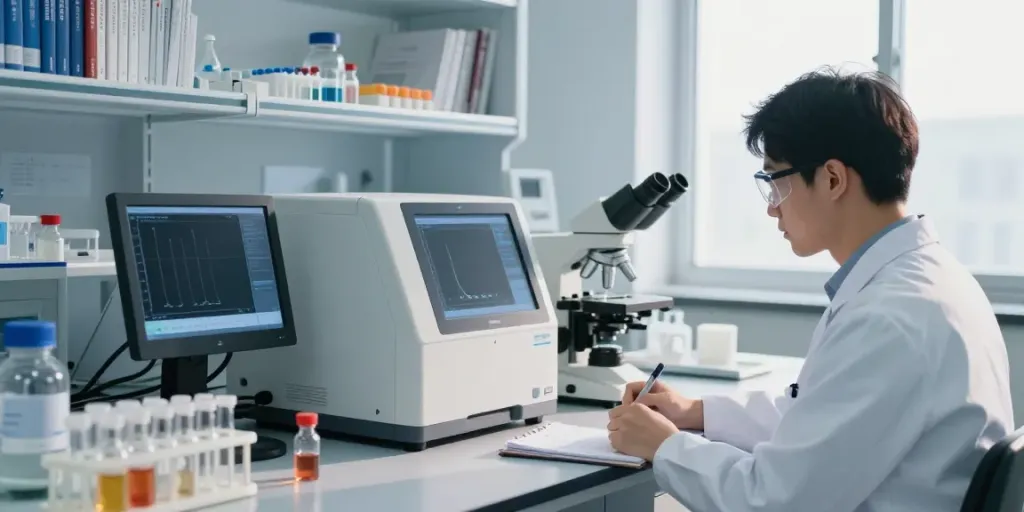
Understanding Peptides: The Building Blocks of Research
Peptides are short chains of amino acids that play crucial roles in various biological processes. They are essential in the fields of biotechnology and medicine, particularly as research tools. The precision and purity of peptides can significantly impact experimental outcomes, making the choice of supplier and quality paramount. When exploring options, HEALTHYPEPTIDES provides comprehensive insights into purchasing high-quality research peptides. Understanding the characteristics and functions of peptides is essential for researchers aiming to harness their potential in various applications.
What Are Peptides and Their Functions?
Peptides are composed of amino acids linked by peptide bonds. They serve multiple functions in the body, including acting as hormones, signaling molecules, and catalysts. Some peptides are involved in biochemical processes such as immune response, tissue repair, and growth regulation. Their ability to interact with specific receptors makes them valuable in various research applications, including drug development and therapeutic interventions.
Types of Research Peptides Available
Research peptides can be classified into several categories based on their function and application:
- Hormonal Peptides: These include insulin and growth hormone-releasing peptides, which regulate metabolic processes.
- Structural Peptides: Such as collagen and elastin, these peptides are essential for maintaining the integrity and elasticity of tissues.
- Neuropeptides: Involved in transmitting signals in the nervous system, influencing processes like pain perception and mood.
- Therapeutic Peptides: These are under research for their potential use in treating diseases, including cancer and autoimmune disorders.
The Top HEALTHYPEPTIDES in 2026: A Comparative Analysis
GHK-Cu: Benefits and Applications
GHK-Cu, a copper peptide, is gaining attention for its regenerative properties. It promotes wound healing, tissue repair, and anti-inflammatory effects. Recent studies have shown that GHK-Cu can enhance collagen synthesis and reduce oxidative stress, making it a valuable tool in skin regeneration research. Additionally, it shows potential for various applications in cosmetic formulations and therapeutic products.
BPC-157: Healing Properties and Research Insights
BPC-157, also known as Body Protective Compound-157, has become a favorite among researchers due to its remarkable healing properties. It has been shown to promote the healing of various injuries, including tendon and ligament damage. BPC-157's ability to enhance angiogenesis and collagen production makes it a topic of interest for studies related to recovery from wounds and surgeries.
CJC NO DAC + Ipamorelin: Synergistic Effects Explained
The combination of CJC NO DAC and Ipamorelin is noted for its synergistic effects on growth hormone release. This duo stimulates the pituitary gland to release more human growth hormone (HGH), which can lead to improved muscle growth, fat loss, and recovery. Research into this combination is expanding, with potential implications for age-related conditions and athletic performance enhancement.
How to Choose the Right Peptides for Your Research
Considerations for Experimental Design
Choosing the right peptides for research requires careful consideration of the scientific question at hand. Researchers should evaluate the specific properties and functions of peptides that align with their experimental goals. It's crucial to understand the biological activity of each peptide, as well as the concentration needed for effective results.
Evaluating Supplier Quality and Certification
When selecting a supplier, look for those that provide certificates of analysis (CoA) for their products, ensuring purity levels of ≥ 99% and traceability. Reliable suppliers like HEALTHYPEPTIDES offer independent lab tests, demonstrating their commitment to quality and transparency. Research reputation and reviews can also provide insights into customer satisfaction and product efficacy.
Addressing Legal and Regulatory Considerations
Legal compliance is a critical factor when procuring peptides for research. Different countries have varying regulations regarding the import and use of research substances. It's essential to familiarize yourself with local laws to ensure that your research practices align with the legal framework in your jurisdiction.
Best Practices for Storing and Handling Peptides
Optimal Storage Conditions for Peptide Samples
Proper storage conditions are vital for maintaining the integrity of peptide samples. Peptides should be stored in a dry, dark place at temperatures between 2°C and 8°C to prevent degradation. Following reconstitution, peptides typically need to be kept at 4°C and used within 30 days, although specific guidelines vary by peptide type.
Reconstitution Techniques for Maximum Integrity
Reconstituting peptides requires precision. Use a sterile technique, and employ bacteriostatic water (BAC) for reconstitution to enhance stability. It’s advisable to avoid vigorous shaking, which can denature sensitive peptides. Instead, gently swirl the solution to ensure complete dissolution.
Tracking and Managing Peptide Inventory
Effective inventory management is essential for laboratories. Implementing a tracking system for peptides, including batch numbers and expiration dates, can help avoid issues related to potency and quality. Regular audits of peptide stock are recommended to ensure that all stored items remain within their acceptable use window.
The Future of Peptide Research: Trends to Watch in 2026
Emerging Applications in Health and Medicine
Peptide research is expanding rapidly, with new applications emerging in health and medicine. Researchers are exploring therapeutic peptides for applications in cancer treatment, metabolic disorders, and regenerative medicine. The rise of personalized medicine also indicates a growing interest in tailored peptide therapies that address specific patient needs.
Technological Advances in Peptide Analysis
Technological innovations are enhancing the methods used for peptide analysis. High-performance liquid chromatography (HPLC) and mass spectrometry are becoming standard practices in characterizing peptide purity and structure. These advances allow for more efficient and accurate peptide research, paving the way for breakthroughs in drug development.
Predictions for Regulatory Changes Across the EU
As peptide therapies become more mainstream, regulatory landscapes are likely to evolve. Upcoming changes may include more stringent guidelines for peptide production and marketing. Researchers should stay informed about these changes, as they will impact the accessibility of peptides for laboratory studies and potential clinical applications.