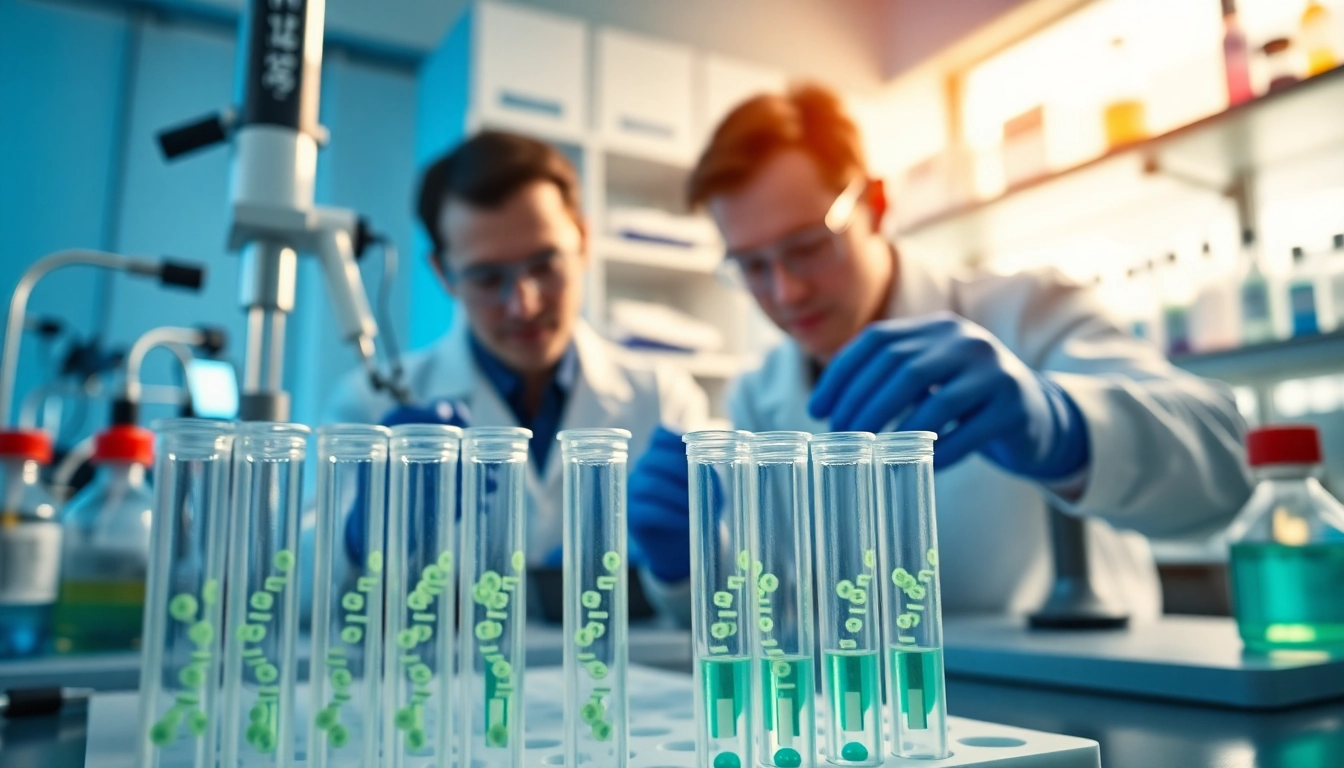
What are Research Peptides?
Definition and Structure
Research peptides are short chains of amino acids that serve as the building blocks of proteins. They play a significant role in various biological functions and are pivotal in biotechnology research. With a backbone structure of amino acids connected by peptide bonds, these molecules are increasingly used in scientific exploration, especially concerning their therapeutic potentials and applications in medicine.
Types of Peptides
Peptides can be broadly categorized into different types based on their functions and structures. Some primary categories include:
- Hormonal Peptides: These are responsible for regulating various physiological processes, such as insulin.
- Neuropeptides: Involved in transmitting signals in the nervous system, impacting pain perception and emotional responses.
- Antimicrobial Peptides: These serve as natural antibiotics, providing defense against pathogens.
- Signal Peptides: Function in signaling pathways, crucial for cellular communication.
- Research-focused Peptides: Specifically designed for laboratory use, these may have unique properties, such as cagri, which has specific applications in various studies.
Role in Biotechnology
In biotechnology, peptides are invaluable due to their versatile roles. Their applications include drug development, vaccine creation, and disease treatment. Research peptides are designed for precise activities, such as enhancing the efficacy of therapies or serving as research tools in laboratories. The understanding of peptide functions and interactions offers new frontiers in personalized medicine.
The Science Behind Cagri and Its Applications
Mechanism of Action
Cagri operates through specific receptor interactions, enhancing physiological responses in targeted tissues. Its mechanism involves modulating various signaling pathways, which is crucial for therapeutic applications. By influencing these pathways, cagri can alter cell behavior, resulting in desired outcomes such as improved metabolism or enhanced muscle recovery.
Potential Health Benefits
Research surrounding cagri indicates several potential health benefits, including:
- Weight Management: May assist in fat loss by influencing metabolic processes.
- Muscle Growth: Advocated for improving muscle protein synthesis, promoting recovery post-exercise.
- Enhanced Recovery: Assists in healing processes, potentially benefiting athletes and active individuals.
While these benefits are promising, further research is ongoing to validate the extensive claims and the underlying biological mechanisms.
Current Research Trends
The landscape of peptide research is rapidly evolving. Most current studies focus on understanding the detailed mechanisms of action of peptides like cagri, exploring their potential in autoimmune diseases, cancer treatment, and anti-aging therapies. Collaborative efforts between academic institutions and biotech companies are paving the way for innovative treatment modalities using these bioactive compounds.
Safe Handling and Administration of Research Peptides
Best Practices for Research Settings
Handling research peptides such as cagri requires adherence to strict laboratory protocols. Researchers should always wear protective equipment, including gloves and masks, when working with these substances. Proper storage conditions must be maintained to preserve peptide integrity, typically involving refrigeration in a controlled environment. Thorough training on safe handling procedures is essential for personnel involved in peptide research.
Potential Side Effects
While many peptides are considered safe, side effects can occur. Commonly reported effects from peptide administration include headache, fatigue, or gastrointestinal upset. It’s crucial to monitor dosages and individual responses closely. Research is ongoing to understand these potential side effects better and establish definitive guidelines for peptide use.
Legal and Ethical Considerations
The usage of research peptides is regulated in many countries. Ethical considerations include transparency in research, obtaining necessary approvals, and ensuring patient safety when translating findings into clinical applications. Researchers must be aware of both local and international regulations governing peptide research, particularly concerning substances categorized for human consumption or administration.
Case Studies: Success Stories in Peptide Research
Innovations in Medicine
A notable case study in peptide innovation involved the use of glucagon-like peptide-1 (GLP-1) in diabetes treatment. Researchers have demonstrated significant improvements in blood sugar control and weight loss among patients using GLP-1 receptor agonists, showcasing the potential of peptides in chronic disease management.
Sports and Athletic Applications
Peptides like CJC-1295, similar to cagri, have shown promising results in enhancing athletic performance and recovery in controlled studies. Athletes report quicker recovery times and improved muscle growth, leading to their increasing popularity in sports science. However, the ethical implications of using these substances continue to spark debate.
Cagri in Anti-Aging Research
Research on cagri in anti-aging therapeutics is groundbreaking, indicating its ability to rejuvenate skin cells and increase collagen production. Early clinical trials suggest that cagri may effectively reduce visible signs of aging, providing a novel approach to skincare and cosmetic products.
Future Directions in Peptide Research
Emerging Technologies
Advancements in mass spectrometry and peptide synthesis technologies are paving the way for complex peptide formulations that can address diverse health issues effectively. These technologies will streamline the discovery of bioactive peptides and enhance our understanding of their mechanisms.
Personalized Medicine Approaches
The future of peptide research likely lies in personalized medicine, where tailored treatments based on an individual's genetic makeup will become standard. This approach could maximize the therapeutic effects of peptides like cagri, ensuring safer and more effective healthcare outcomes for patients.
Challenges and Opportunities
The primary challenge in peptide research remains the complexity of human biology and the regulatory landscape surrounding peptide development and application. However, the quest for novel therapies offers immense opportunities for researchers and biotechnologists to explore innovative pathways for treatment, paving the way for breakthroughs that could significantly impact healthcare.
Frequently Asked Questions
What is cagri and how does it work?
Cagri is a research peptide that modulates specific biological pathways, enhancing physiological responses such as metabolism and muscle recovery. Its mechanism of action involves interaction with cellular receptors to influence various processes.
How are research peptides used in medicine?
Research peptides are used in drug development and therapeutic applications, targeting conditions like diabetes, obesity, and muscle wasting. Their specificity allows for fine-tuning treatments based on individual needs.
Are there side effects associated with research peptides?
Yes, potential side effects can include headaches, fatigue, and gastrointestinal disturbances. Monitoring and research are essential to understanding these effects better and ensuring safe administration.
What safety measures should be followed when using research peptides?
Researchers should follow strict safety protocols, including using protective equipment and adhering to proper storage conditions. Training is vital to minimize risks during peptide handling.
What does the future hold for peptide research?
The future of peptide research is promising, with ongoing advancements in personalized medicine, emerging technologies, and innovative applications in various fields. Challenges exist, but the potential for transformative healthcare solutions is significant.