Understanding Gradall Excavators
What is a Gradall?
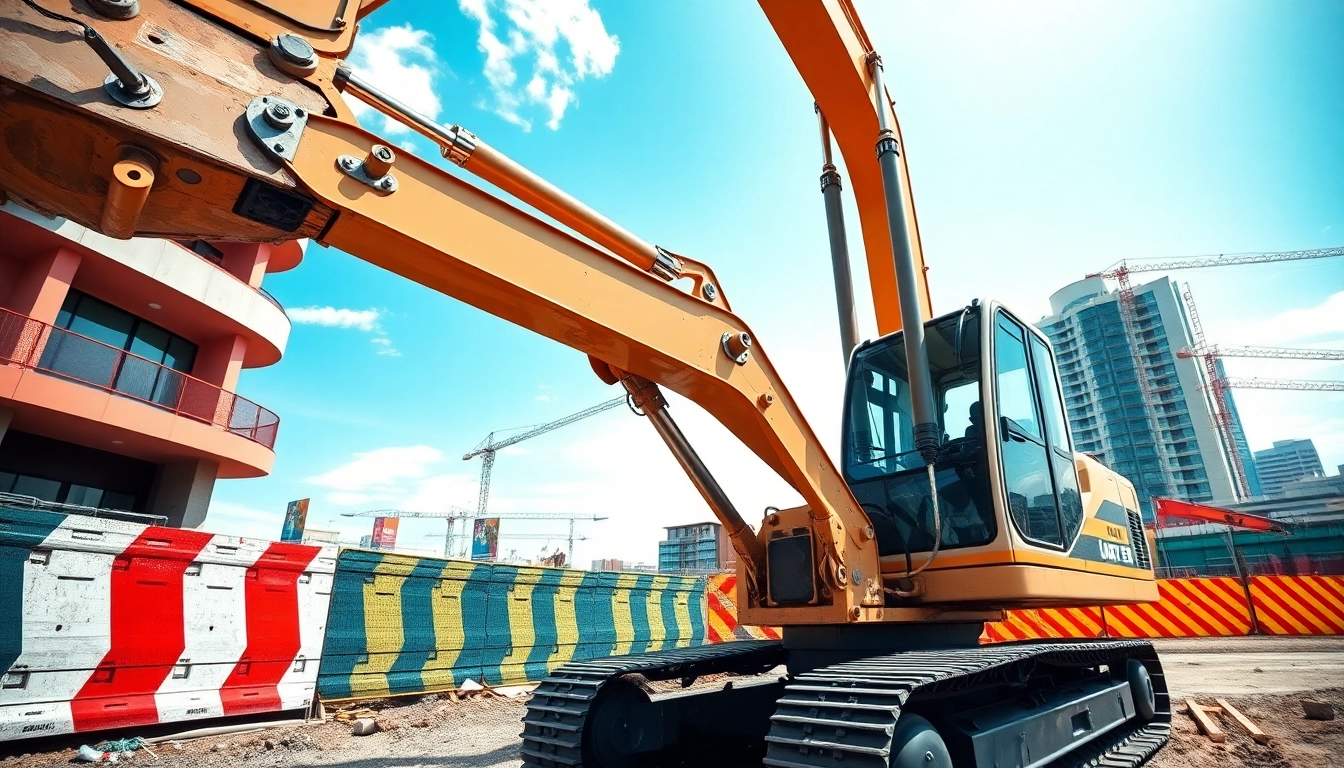
A gradall is a type of excavator known for its unique multifunctional capabilities, primarily utilized in construction and maintenance projects. With a distinctive boom that extends like a telehandler, Gradall excavators can perform a variety of tasks that range from digging and moving earth to cleaning and lifting heavy materials. Their design allows them to handle tasks in tight spaces, making them ideal for urban development, road maintenance, and other scenarios where conventional excavators might struggle.
Applications of Gradall Equipment
Gradall excavators are used in numerous applications due to their versatility. Common uses include:
- Road and Highway Construction: Ideal for maintaining roadways, installing drainage systems, and performing pavement repairs.
- Utility Installation: Perfect for digging trenches for utilities like gas, water, and telecommunications.
- Site Preparation: Effective during the initial stages of construction, Gradalls can quickly clear and prepare sites for building.
- Landscaping and Environmental Clean-Up: Useful in restoring landscapes and clearing debris from environments affected by natural disasters.
Benefits of Utilizing Gradall
The utilization of gradall machines in construction and maintenance projects presents several benefits:
- Versatility: They can be quickly adapted with various attachments for different tasks, from grading to lifting.
- Mobility: Designed for both on-road and off-road usage, Gradall excavators can navigate a variety of terrains effectively.
- Efficiency: With quick cycle times and powerful lifting capabilities, Gradalls enhance productivity on job sites.
- Durability: Engineered for rugged conditions, these machines offer longevity, making them a wise investment for contractors.
Technical Features of Gradall
Key Specifications and Innovations
Gradall excavators have incorporated innovative technologies that enhance their performance and functionality. Key specifications typically include:
- Telescoping Boom: This allows for greater reach and flexibility, enabling operations in confined spaces.
- Powerful Hydraulic Systems: They provide efficient lifting and digging power while maintaining operational stability.
- Advanced Control Systems: Improved joystick controls enhance operator efficiency and comfort.
- Modular Design: Facilitates easy maintenance and replacement of parts, extending the lifespan of the equipment.
How to Choose the Right Gradall Model
Selecting the right Gradall model involves several considerations:
- Project Requirements: Analyze the tasks your project entails; choose a model suited for the specific jobs, such as heavy lifting versus fine grading.
- Terrain Type: Ensure the model you select matches the terrain, whether it’s urban, rural, or off-road conditions.
- Attachment Needs: Determine what attachments will be necessary for your operations and ensure compatibility.
- Budget: Factor in not just the purchase price, but also long-term operating costs, maintenance, and resale value.
Maintenance Tips for Gradalls
Proper maintenance of a gradall is essential for ensuring longevity and optimal performance. Here are some maintenance tips:
- Regular Inspections: Routinely check fluid levels, hose conditions, and electrical systems.
- Daily Greasing: Lubricate all appropriate components to minimize wear and extend lifespan.
- Scheduled Servicing: Follow the manufacturer's recommended service intervals for more complex checks and repairs.
- Operator Training: Ensure all operators are trained, as improper use can accelerate wear and tear.
Gradall in Action
Case Studies of Successful Gradall Projects
Several projects illustrate the exceptional capabilities of Gradall excavators. For instance:
- Urban Infrastructure Development: A Gradall was used to install drainage systems faster than traditional excavators, providing critical support in managing rainwater runoff.
- Highway Maintenance: In a major highway refurbishment project, Gradalls enabled continuous operation, reducing project completion time by 30% due to their ability to switch tasks efficiently.
Comparative Performance Analysis
When compared to traditional excavators, Gradall machines demonstrate enhanced performance in several key areas:
- Cycle Time: Faster cycle times in material handling and digging tasks due to their efficient hydraulic systems.
- Versatility: More adaptable to changing tasks, reducing downtime when switching attachments.
- Space Management: Ability to operate effectively in tight spaces where traditional excavators may have limited functionality.
Enhancing Efficiency with Gradall
To fully harness the efficiency of gradall machines, implement best practices:
- Staff Training: Continuous education for operators to maximize equipment use.
- Project Planning: Thorough preparation and planning on how to utilize Gradall capabilities during project phases.
- Data Monitoring: Utilize telemetry systems to track machine performance and optimize operational strategies.
Challenges with Gradall Usage
Common Issues and Solutions
While Gradall excavators are reliable, users may encounter certain challenges:
- Hydraulic Failures: Regular checks and proper maintenance routines can help identify weak hydraulic components before failure.
- Operator Errors: Training sessions can mitigate mistakes, focusing on common pitfalls associated with Gradall operation.
- Attachment Compatibility: Always verify compatibility of attachments with the specific Gradall model in use to avoid operational issues.
Safety Protocols When Operating a Gradall
Ensuring safety during the operation of a Gradall requires adherence to established protocols:
- Pre-Operation Checks: Ensure that all safety features are functional before commencing work
- Proper Signage and Barriers: Establish a safety perimeter around the work site to protect workers and passersby.
- Personal Protective Equipment (PPE): Require all personnel to wear appropriate safety gear such as hard hats, gloves, and vests.
Mitigating Environmental Impact
Gradall operators must be conscious of their environmental footprint:
- Noise Pollution: Choose quieter models where possible and schedule operations during hours that minimize disruption.
- Soil Disturbance: Limit unnecessary earth-moving to preserve local flora and fauna.
- Waste Management: Employ best practices for debris disposal and recycling materials whenever applicable.
The Future of Gradall Technology
Innovations on the Horizon
The evolution of Gradall technology hints at exciting innovations, including:
- Automation: Hybrid models that utilize smart technology to aid operators in precise maneuvering and data tracking.
- Eco-Friendly Designs: Advancements aimed at reducing fuel consumption and emissions in compliance with environmental regulations.
- Enhancement of Attachments: New attachments designed for specialized tasks, enhancing the overall versatility of Gradall machines.
Industry Trends Shaping Gradall's Evolution
Several trends are influencing the future of Gradall equipment:
- Demand for Versatility: As construction projects become more complex, the need for adaptable equipment like Gradall will continue to grow.
- Focus on Sustainability: Contractors are prioritizing eco-friendly practices, which Gradall technology increasingly supports.
Preparing for the Future of Excavation
The evolution of excavation technology necessitates preparation among industry professionals:
- Embracing Training: Lifelong learning in new technologies and practices will be vital for operators to stay relevant.
- Investing in Innovative Equipment: Contractors should consider the long-term benefits of incorporating advanced machines like Gradall into their fleets.
Frequently Asked Questions
1. What differentiates Gradall excavators from traditional excavators?
Gradalls feature a unique telescoping boom, improving adaptability for various tasks, especially in tight spaces.
2. Can Gradall machines be used for landscaping?
Yes, Gradall excavators are effective in landscaping and can handle tasks like grading and debris removal.
3. How often should a Gradall be serviced?
Regular servicing is recommended, typically every 250 hours of operation, or as outlined in the manufacturer's guide.
4. What types of attachments can be used with Gradall excavators?
Gradalls can accommodate a range of attachments, including buckets, grapples, and specialty tools for various tasks.
5. Are Gradall excavators fuel-efficient?
Yes, modern Gradall models integrate fuel-efficient technologies, reducing consumption and emissions.