Understanding Integrated Modular Systems
Integrated Modular Systems (IMS) represent a transformative approach in various industries, particularly in water treatment. By consolidating multiple functional modules into cohesive systems, these solutions streamline processes, enhance efficiency, and reduce operational costs. Especially in today's rapidly evolving technological landscape, the impetus to implement such integrated solutions is more pronounced than ever. When exploring options, Integrated Modular Systems provide comprehensive insights into addressing complex challenges faced by municipalities and industries alike.
What Are Integrated Modular Systems?
Integrated Modular Systems are systems designed to perform distinct tasks within a unified framework. They leverage modular technology, enabling components to work together seamlessly. In essence, IMS combine hardware and software in a way that allows flexibility and adaptability to diverse operational needs. This modular nature makes these systems particularly suitable for dynamic environments, where requirements can change or evolve over time.
Key Components and Technologies
- Modular Units: Individual components that can be added, removed, or replaced as needed, enhancing system adaptability.
- Interconnectivity: Advanced communication protocols that allow different modules to communicate and function together effectively.
- Automation Technologies: Integrated systems often incorporate automation to reduce human error and increase operational efficiency.
- Sensors and Monitoring Devices: These technologies provide real-time data on system performance, enabling proactive maintenance and operational adjustments.
How They Work in Water Treatment Applications
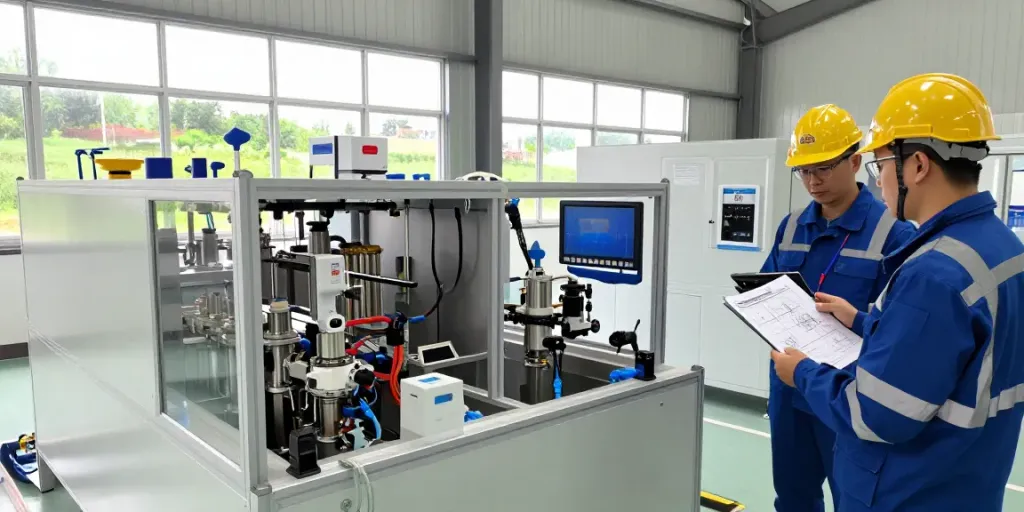
In water treatment, Integrated Modular Systems are utilized to create efficient, reliable solutions for processing, filtering, and treating water. For instance, an integrated membrane water treatment system combines filtration technologies with chemical dosing and monitoring, ensuring high-quality output while adhering to regulatory standards. The ability to quickly assemble and disassemble these systems makes them ideal for site-specific applications where adaptability is crucial.
Benefits of QILEE's Integrated Modular Systems
Efficiency in Water Treatment and Management
The primary advantage of QILEE's Integrated Modular Systems is their efficiency. By employing advanced technologies and processes, these systems drastically reduce the time and resources required for water treatment operations. For instance, the DAF (Dissolved Air Flotation) system integrates chemical dosing with sludge dewatering, which enhances the removal of suspended solids in wastewater. This streamlined approach leads to quicker response times and higher throughput.
Cost-Effectiveness and Space Savings
Implementing Integrated Modular Systems also leads to significant cost savings. Their compact, specialized structure allows for the efficient use of space, which can be a critical factor in urban settings where real estate is at a premium. Moreover, the modular nature of these systems means that businesses can scale their operations without the need for extensive infrastructure investment. For industries that deal with variable demand, this flexibility translates into reduced operational costs and improved bottom lines.
Flexibility and Scalability for Various Needs
Flexibility is a key selling point for QILEE's Integrated Modular Systems. As operational demands evolve, businesses can easily adjust their system configurations without the need for complete overhauls. This scalability is particularly advantageous in sectors such as municipal water treatment and industrial applications, where changing regulations and operational circumstances frequently dictate the need for adaptability.
Core Offerings of QILEE's Integrated Modular Systems
Integrated Membrane Water Treatment Systems
QILEE's Integrated Membrane Water Treatment Systems offer robust solutions for municipalities and industries facing stringent water quality standards. These systems utilize advanced membrane filtration technologies that effectively remove contaminants while maintaining operational efficiency. The integration of monitoring systems also ensures optimal performance, leading to superior water quality output.
Chemical Treatment Systems for Enhanced Performance
Effective chemical treatment is vital for enhancing the performance of water treatment processes. QILEE's chemical treatment systems are designed to work seamlessly with modular setups, allowing for the precise dosing of chemicals based on real-time water quality data. This proactive approach not only improves treatment outcomes but also minimizes chemical waste and associated costs.
DAF Integrated Treatment System Features and Applications
The DAF integrated treatment system represents one of the most innovative approaches in wastewater management. By combining chemical dosing with sludge dewatering, this system is exceptionally effective for treating wastewater with challenging characteristics, such as low-density suspended solids. Its compact design and high performance ensure that it meets the needs of various sectors, including municipal, industrial, and commercial applications.
Applications of Integrated Modular Systems in Various Industries
Municipal Water Treatment Facilities
Municipal water treatment facilities are increasingly adopting Integrated Modular Systems due to their efficiency and adaptability. These systems can be tailored to meet specific water quality regulations and are capable of handling varying levels of demand, making them ideal for cities experiencing growth or seasonal changes in water usage.
Industrial Wastewater Treatment Solutions
Industries generating wastewater face unique challenges, including fluctuating volumes and diverse contaminants. Integrated Modular Systems provide flexible solutions that can be adjusted based on real-time monitoring and operational needs, ensuring compliance with environmental regulations while minimizing waste and costs.
Hospitality and Commercial Applications
In the hospitality and commercial sectors, ensuring water quality is paramount for customer satisfaction. Integrated Modular Systems offer reliable, scalable solutions that can be quickly deployed and adjusted based on demand. This flexibility helps businesses maintain high standards without compromising efficiency.
Future Trends in Integrated Modular Systems for 2026
Emerging Technologies and Innovations
As technology continues to advance, the future of Integrated Modular Systems is expected to be characterized by increased automation and smart technologies. Artificial intelligence and machine learning may play vital roles in optimizing system performance, enabling predictive maintenance, and enhancing operational efficiency.
Regulatory Changes and Industry Adaptations
With evolving environmental regulations, industries must adapt rapidly to stay compliant. Integrated Modular Systems provide the flexibility necessary to adjust to new standards without incurring significant costs. As regulations become more stringent, these adaptive systems will become essential for companies aiming to sustain competitiveness in their markets.
Predictions for Market Growth and Sustainability Focus
The global market for Integrated Modular Systems is poised for significant growth as industries increasingly prioritize sustainability. Water scarcity and quality concerns are driving demand for innovative solutions. By integrating sustainable practices into their operations, businesses can enhance their reputations while ensuring compliance and operational efficiency.