
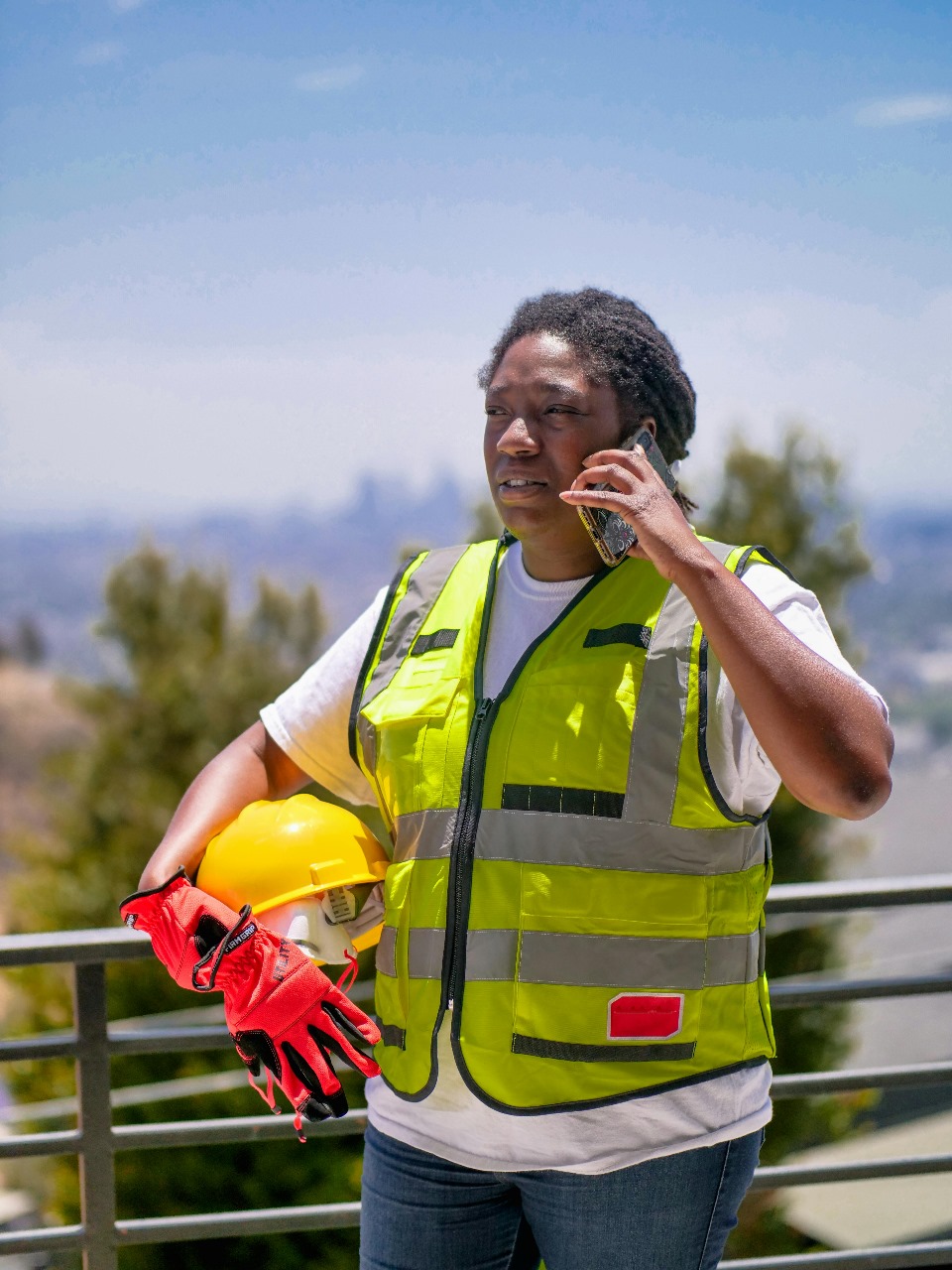
The Construction Mental Health Program is becoming an essential foundation for improving safety, productivity, and long-term workforce stability across the construction industry. At ABC Southern California, addressing emotional resilience and psychological well-being through a structured Construction Mental Health Program is no longer optional—it is a critical part of modern workforce development. As job sites become more demanding and project timelines more intense, the need for a reliable Construction Mental Health Program has grown significantly to support workers facing stress, fatigue, and occupational pressure. A strong Construction Mental Health Program helps reduce absenteeism, improve morale, and create safer working environments where employees feel supported both physically and mentally.
Building a Strong Foundation for Workforce Wellness
A well-designed Construction Mental Health Program starts with recognizing that construction workers face unique psychological challenges, including high-risk environments, physical strain, and long working hours. ABC Southern California emphasizes that a structured Construction Mental Health Program integrates wellness education, early intervention strategies, and ongoing support systems. When companies implement a consistent Construction Mental Health Program, they begin to build trust among employees, allowing them to speak openly about stress and mental fatigue. This proactive approach ensures that a Construction Mental Health Program is not just reactive care but a preventive system designed to maintain long-term workforce stability. Over time, a properly executed Construction Mental Health Program contributes to fewer workplace incidents and a healthier organizational culture.
Addressing Stress and Psychological Demands in Construction Work
The construction industry often exposes workers to tight deadlines, physically demanding tasks, and unpredictable site conditions, making a Construction Mental Health Program vital for daily operational success. A comprehensive Construction Mental Health Program identifies stress triggers early and provides coping mechanisms that help workers maintain focus and emotional balance. ABC Southern California integrates a Construction Mental Health Program that includes awareness training and access to mental health resources, ensuring employees are never left without support. By embedding a Construction Mental Health Program into workplace culture, companies reduce burnout and improve decision-making under pressure. Furthermore, a structured Construction Mental Health Program encourages supervisors to recognize early signs of emotional distress, creating a more responsive and responsible work environment.
Enhancing Safety and Reducing Workplace Incidents
Safety and mental well-being are deeply connected, which is why a Construction Mental Health Program plays a crucial role in reducing accidents and improving job site awareness. Workers participating in a Construction Mental Health Program are more likely to stay alert, communicate effectively, and follow safety protocols consistently. ABC Southern California promotes a Construction Mental Health Program that aligns mental wellness with safety training, ensuring that emotional stress does not compromise physical safety. When a Construction Mental Health Program is actively implemented, it reduces human error caused by fatigue, anxiety, or distraction. Over time, a strong Construction Mental Health Program contributes to fewer injuries and stronger compliance with safety standards across all project sites.
Strengthening Communication and Team Collaboration
Effective communication is essential in construction environments, and a Construction Mental Health Program helps improve how teams interact under pressure. By integrating a Construction Mental Health Program, organizations encourage open dialogue, reduce stigma around mental health, and improve teamwork dynamics. ABC Southern California has seen that a structured Construction Mental Health Program fosters trust between supervisors and workers, leading to smoother project execution. When employees participate in a Construction Mental Health Program, they feel more comfortable reporting issues before they escalate into serious conflicts or safety risks. This proactive communication approach ensures that a Construction Mental Health Program not only supports individuals but also strengthens overall team performance and coordination.
Supporting Leadership and Supervisory Responsibility
Leadership plays a critical role in the success of any Construction Mental Health Program, as supervisors are often the first to notice changes in worker behavior or performance. ABC Southern California integrates leadership training within its Construction Mental Health Program to equip managers with the tools needed to identify and respond to mental health concerns effectively. A strong Construction Mental Health Program empowers supervisors to create supportive environments where workers feel valued and understood. When leadership actively participates in a Construction Mental Health Program, it sets a positive tone across the entire organization. This involvement ensures that a Construction Mental Health Program becomes a shared responsibility rather than an isolated initiative, reinforcing accountability at every level of the workforce.
Long-Term Workforce Productivity and Retention Benefits
Investing in a Construction Mental Health Program leads to measurable long-term benefits, including improved employee retention, higher productivity, and reduced turnover rates. ABC Southern California recognizes that a sustainable Construction Mental Health Program directly contributes to workforce stability by addressing emotional well-being alongside technical training. Employees engaged in a Construction Mental Health Program are more motivated, more focused, and more likely to remain with their employer for longer periods. This reduces hiring and training costs while improving overall project continuity. A well-maintained Construction Mental Health Program also enhances reputation within the industry, making organizations more attractive to skilled workers seeking supportive and balanced work environments.
Creating a Culture of Awareness and Continuous Support
A successful Construction Mental Health Program is not a one-time initiative but an ongoing cultural shift that prioritizes mental wellness at every stage of employment. ABC Southern California promotes a Construction Mental Health Program that includes continuous education, regular check-ins, and accessible support systems for all employees. When a Construction Mental Health Program is embedded into company culture, it normalizes conversations around mental health and reduces stigma. This cultural transformation ensures that a Construction Mental Health Program remains effective in the long term, adapting to evolving workforce needs. By fostering awareness and consistency, a Construction Mental Health Program helps create a healthier, more resilient construction industry overall.
Conclusion: Building a Healthier Future for Construction Workforce
The importance of a Construction Mental Health Program cannot be overstated in today’s demanding construction environment. ABC Southern California continues to advocate for a comprehensive Construction Mental Health Program that supports workers at every level, from entry-level laborers to senior leadership. By integrating a Construction Mental Health Program into daily operations, companies can create safer job sites, stronger teams, and more sustainable business outcomes. A forward-thinking Construction Mental Health Program ultimately transforms workplace culture by prioritizing human well-being alongside productivity. As the industry evolves, a consistent and well-implemented Construction Mental Health Program will remain a cornerstone of workforce wellness, ensuring long-term success and stability for all stakeholders involved.