
Understanding Voter Registration Deadlines by State
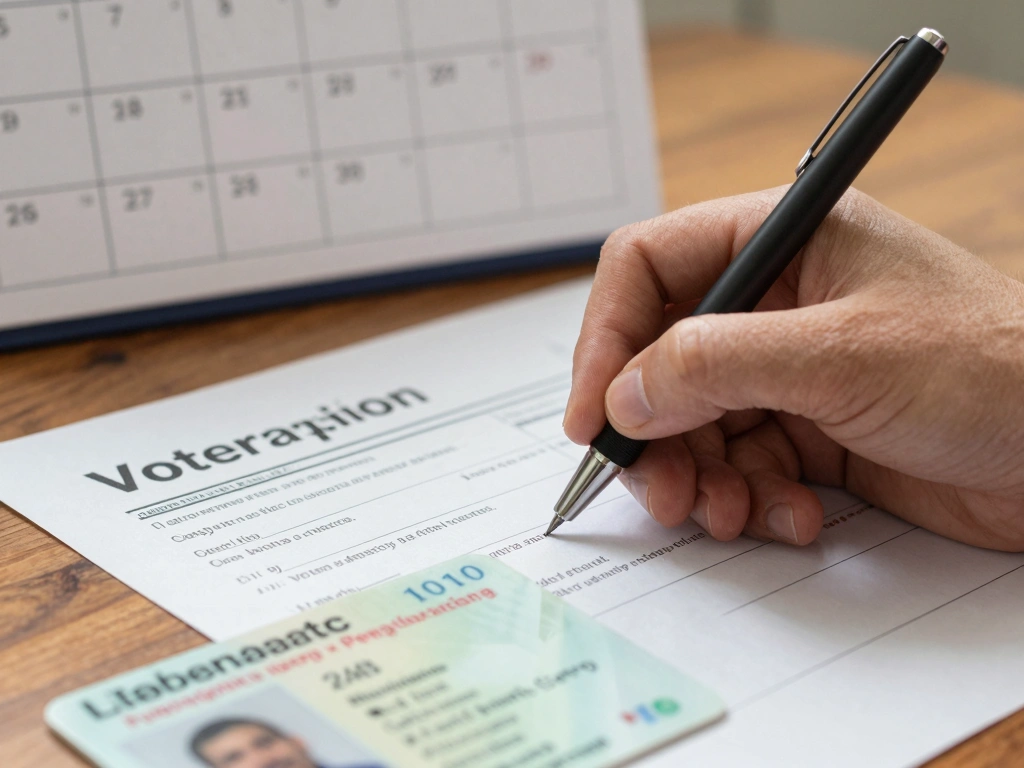
The Importance of Voter Registration Deadlines
Voter registration deadlines are critical components of the electoral process in the United States. These deadlines determine when a citizen must register in order to vote in upcoming elections. Understanding these deadlines is essential for ensuring participation in democratic processes. Each state has its own laws and regulations regarding when and how individuals can register, making it vital for voters to be aware of their local deadlines.
Failure to register by the designated deadline can result in disenfranchisement, meaning that eligible voters may lose the opportunity to cast their ballots. This emphasizes the importance of being informed about voter registration processes and requirements, as they can vary significantly from state to state.
How Deadlines Impact Election Participation
Voter registration deadlines can significantly impact election participation rates. Studies have shown that states with more flexible and accessible registration processes—such as same-day registration—tend to have higher voter turnout. Conversely, states with stricter deadlines may see lower participation rates, particularly among younger voters and those from marginalized communities.
For instance, in states like Minnesota and Wisconsin, where same-day registration is permitted, turnout rates can exceed 70%. In contrast, states like Texas and Georgia, which have stricter registration deadlines, often report turnout rates below 60%. This variation highlights the role that registration policies play in shaping voter engagement.
Key Dates to Remember for Upcoming Elections
As elections approach, it is crucial for voters to be aware of key registration dates. Here are some important deadlines to consider for upcoming elections:
- Presidential Elections: Generally, registration deadlines range from 15 to 30 days before the election date.
- Primary Elections: States may have different deadlines, often 30 days prior, but some states allow same-day registration.
- Special Elections: These can have varying deadlines depending on state laws, so it's important to check local regulations.
Keeping track of these dates can prevent last-minute rushes and ensure that you are prepared to vote.
State-Specific Voter Registration Deadlines
Overview of Registration Deadlines Across the U.S.
Voter registration deadlines vary significantly from state to state. Below is a general overview of registration deadlines in various states:
- California: 15 days before the election.
- New York: 25 days prior to the election.
- Texas: 30 days before the election.
- Florida: 29 days before the election.
- Colorado: 8 days before the election for online registration, with same-day registration available.
- Wisconsin: Same-day registration allowed.
Understanding these deadlines is essential for voters planning to participate in elections across the nation.
Comparative Analysis of Early and Late Deadlines
When analyzing voter registration deadlines, some states have chosen to implement early deadlines, while others have opted for more lenient approaches. For example, states like South Dakota and Idaho require registration to be completed 30 days before an election, which can create barriers for some voters. In contrast, states like New Hampshire and Montana allow registration right up to Election Day, which can enhance voter participation by accommodating last-minute decisions.
Research indicates that states with later deadlines and same-day registration options often experience higher voter turnout. This is particularly important for younger voters and those who may be less engaged in the electoral process but wish to participate.
Exceptions and Special Cases in Different States
Some states have unique provisions that can affect voter registration deadlines. For instance:
- Same-Day Registration: States like Minnesota and Wisconsin allow voters to register on the same day as the election, increasing accessibility.
- Emergency Registration: States like New York have provisions for emergency registration in specific circumstances, such as natural disasters.
- Military and Overseas Voters: The Uniformed and Overseas Citizens Absentee Voting Act (UOCAVA) allows military and overseas voters to register and vote absentee with extended deadlines.
These exceptions highlight the varying approaches states take to ensure voter participation and accommodate special circumstances.
Online vs. In-Person Registration Deadlines
States Offering Online Registration
In recent years, many states have begun offering online voter registration as a more convenient option for citizens. As of 2023, approximately 40 states and the District of Columbia provide online registration. States such as California, Florida, and Texas allow voters to register online, making the process more accessible, particularly for younger voters who are more accustomed to digital interactions.
However, it is essential to be aware of the specific deadlines for online registration, as they may differ from those for in-person registration.
Differences in Deadlines for Online and Traditional Methods
In some states, the deadlines for online registration can differ significantly from those for traditional paper registration. For example:
- Colorado: Online registration must be completed by 8 days before the election, while paper registration must be submitted at least 29 days before the election.
- Arizona: Online registration must be completed 29 days before the election, similar to paper registration.
- North Carolina: Online registration is available until 25 days before the election, while in-person registration can continue until 3 days before the election.
These differences can create confusion for voters, highlighting the need for clear communication from election offices.
Impact of Technology on Voter Registration Efficiency
The integration of technology into voter registration processes has significantly improved efficiency. Online registration systems can streamline the process, reduce errors, and provide immediate confirmation of registration status. Additionally, they often allow for easier updates to voter information, such as changes in address or name.
However, reliance on technology also raises concerns about cybersecurity and accessibility for those without internet access. States must balance efficiency with the need to ensure that all eligible voters can register and participate in elections.
Consequences of Missing Voter Registration Deadlines
Understanding Ineligibility to Vote
Missing the voter registration deadline can result in ineligibility to vote, effectively silencing eligible voices in the democratic process. This can be particularly disheartening for individuals who may have planned to vote but were unaware of the deadlines or misunderstood the registration process.
For example, in the 2020 elections, it was reported that many eligible voters in states with strict deadlines were unable to participate due to missed registration dates, leading to discussions about the need for more flexible registration options.
State-Specific Penalties for Late Registration
Each state has its own set of rules regarding penalties for late registration. While some states offer grace periods or same-day registration, others impose strict deadlines with no exceptions. For example:
- Texas: There are no extensions for late registration; those who miss the deadline cannot vote.
- California: Offers a grace period where voters can register to vote online or in person up to two weeks before the election.
- New York: No late registration options; voters must register 25 days prior to the election.
Understanding these penalties is crucial for voters who may face challenges in meeting registration deadlines.
Options for Voters Who Miss Deadlines
For those who miss voter registration deadlines, options can be limited but may vary by state. Some potential avenues include:
- Same-Day Registration: Available in many states, allowing voters to register and vote on the same day.
- Absentee Ballots: In some cases, voters may still be able to request absentee ballots if they can prove eligibility, although this varies by state.
- Future Election Registration: Ensuring registration for future elections is critical; voters should be proactive in understanding registration requirements.
Being informed about these options can help mitigate the frustrations associated with missed deadlines.
Resources for Tracking Voter Registration Deadlines
Official State Election Office Websites
The best source for accurate and up-to-date information regarding voter registration deadlines is the official state election office website. Most states provide comprehensive details about registration processes, deadlines, and voting procedures. Voters are encouraged to visit these websites regularly, especially as elections approach.
National Organizations Providing Deadline Information
Several national organizations focus on voter registration and can provide valuable resources regarding deadlines and registration processes. Organizations such as the National Association of Secretaries of State (NASS) and the League of Women Voters publish guides and resources that help voters navigate registration.
Tools and Apps for Voter Registration Reminders
With the rise of technology, various tools and apps have been developed to assist voters in tracking registration deadlines. Applications like Vote.org and Ballotpedia offer features that remind users of upcoming deadlines and provide information on how to register in their respective states. These resources can be invaluable for ensuring that voters do not miss critical registration dates.