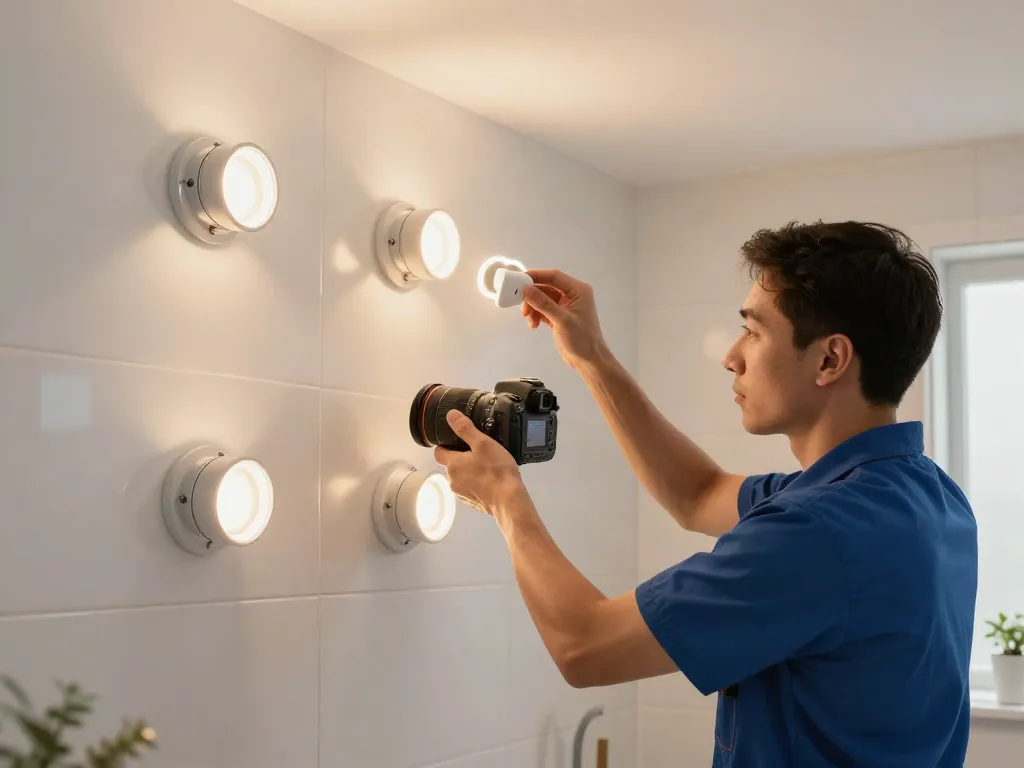
Understanding the Role of a Real Estate Photographer
In the competitive landscape of real estate, first impressions are crucial. High-quality visuals can significantly impact a buyer's decision. This is where a Real Estate Photographer comes into play. These professionals specialize in capturing properties in their best light—literally and figuratively. Their expertise not only highlights the physical attributes of a space but also conveys its potential and atmosphere to prospective buyers.
What is a Real Estate Photographer?
A real estate photographer is a professional who specializes in photographing residential and commercial properties for marketing purposes. These photographers utilize specialized equipment and techniques to create images that showcase properties effectively across various platforms, including online listings, brochures, and advertisements. With an eye for detail, they focus on composition, lighting, and angles to translate the essence of a property into eye-catching visuals.
Essential Skills of a Real Estate Photographer
To excel in this competitive field, a real estate photographer must possess a unique combination of skills:
- Technical Proficiency: A deep understanding of camera settings, lighting techniques, and post-production software (like Adobe Photoshop or Lightroom) is essential.
- Composition and Framing: Mastery of composition principles helps in creating visually appealing images that draw interest and enhance property features.
- Staging Knowledge: Understanding how to stage a home effectively increases its appeal, making it essential for photographers to collaborate with real estate agents or homeowners.
- Communication Skills: Good rapport with clients and realtors aids in understanding their needs and delivering results that align with their vision.
- Attention to Detail: The ability to notice minor elements can distinguish a standard image from a breathtaking one, ensuring no corner is overlooked.
The Impact of Professional Photography on Real Estate
Professional photography has a profound impact on the sale of real estate properties. Studies show that listings with high-quality images receive significantly more engagement than those with average or poor photographs. Properties showcased through professional visuals tend to sell faster and often at higher prices. Moreover, professional images enhance a listing’s appeal in online posts and social media promotions, making them indispensable for today’s real estate market.
Preparing Your Property for a Photoshoot
Preparation is key to successful real estate photography. A well-prepared property not only looks more attractive but also aids in creating stunning images that can captivate potential buyers.
Staging Tips for Real Estate Photography
Staging involves arranging a property to highlight its strengths and make it more appealing to buyers. Here are some tips:
- Decluttering: Remove unnecessary items and personal belongings to create a clean, neutral space.
- Color Coordination: Use soft, neutral colors for walls and furnishings to create a calm environment.
- Highlight Focal Points: Set up furniture to draw attention to architectural features or beautiful views.
- Good Lighting: Ensure ample natural light is available; if not, consider additional lighting to brighten up dark spaces.
- Curb Appeal: Don’t forget the exterior; improve landscaping and ensure a tidy first impression.
Key Areas to Focus on During a Shoot
While the entire property is important, certain areas should be prioritized during photography to make a lasting impact:
- Living Areas: Capture the main living space, highlighting its functionality and comfort.
- Kitchens: The kitchen is often the heart of the home; showcase its layout and features.
- Bathrooms: Clean and well-lit bathrooms can be a major selling point.
- Bedrooms: Highlight spaciousness and comfort to evoke a sense of relaxation.
- Outdoor Areas: Don’t overlook decks, balconies, and gardens; these can significantly enhance appeal.
Common Mistakes to Avoid in Preparation
To ensure a successful shoot, avoid these common pitfalls:
- Failing to Clean: A messy space can detract from the beauty of even the best photographs.
- Ignoring Lighting: Poor lighting can lead to dull photos; always ensure the area is well-lit.
- Over-Staging: Too many props can clutter the space and confuse buyers about how to use it.
- Neglecting Outdoor Spaces: Often overlooked, outdoor areas also need attention; make sure they are tidy and inviting.
- Rush Preparation: Taking time to prepare effectively creates a smoother photoshoot and better end results.
Choosing the Right Real Estate Photographer
Finding the right real estate photographer can be a daunting task with so many options available. It’s critical to select a professional whose style and experience align with your needs.
Evaluating Portfolio and Style
When reviewing potential photographers, their portfolio is your best indicator of capability. Look for:
- Consistency: Ensure their work maintains high-quality standards across all images.
- Style: Different photographers have unique styles; choose one that resonates with the aesthetic of the property.
- Range: A versatile photographer might be adept in various types of photography, including interiors, exteriors, and even aerial photography.
Questions to Ask Potential Photographers
Engage potential photographers with questions to gauge their expertise and fit for your project:
- What is your experience with real estate photography?
- Can you provide references or testimonials from previous clients?
- How do you handle the editing and post-production process?
- What equipment do you use to capture images?
- What are your turnaround times for delivering the final images?
Understanding Pricing: What to Expect
Pricing for real estate photography varies based on experience, location, and services offered:
- Basic Packages: Typically range from $100 to $500 depending on the size and type of property.
- Higher-End Services: Aerial photography or virtual tours might cost more but significantly enhance marketing potential.
- Package Deals: Some photographers offer bundled services, which can be more cost-effective.
- Inclusions: Make sure to ask what’s included, like number of images, editing hours, and usage rights.
The Process of Real Estate Photography
Understanding the workflow of real estate photography can prepare you for what to expect during the process, helping ensure a smooth experience.
What to Expect During the Shoot
On the day of the photoshoot, here's what you can generally expect:
- Arrival and Setup: The photographer will arrive early to set up their equipment and take test shots.
- Collaboration: Share specific requests or features you want highlighted; collaboration can lead to better results.
- Movement Through Spaces: Photographers typically start from the main living areas and work their way through the property.
- Time Allocation: Expect the shoot to last from 1 to 3 hours, depending on the property's size.
Post-Production Techniques: Enhancing Visuals
Once the shoot is complete, the post-production process begins:
- Image Editing: Photographers enhance images through color correction, cropping, and retouching.
- Correcting Distortion: Wide-angle lenses can cause distortion; corrections ensure images retain their realism.
- Creating Virtual Tours: Some photographers can provide video walkthroughs or 3D tours to elevate your listing further.
Delivering Images: Formats and Uses
Once the images are finalized, the photographer will provide them in various formats suitable for different platforms:
- High-Resolution Files: Essential for print materials like brochures or flyers.
- Optimized Files: Smaller sizes are better suited for online listings and social media use.
- Usage Rights: Clarify the usage rights of photos; typically, they are granted for marketing purposes related to the property.
Maximizing the Value of Real Estate Photography
Investing in quality photography is only worthwhile if the images are leveraged effectively. Here’s how to maximize their value:
Integrating Photos into Your Marketing Strategy
Incorporating professional visuals into your overall marketing strategy can significantly enhance property exposure:
- Online Listings: Utilize high-quality images on listing platforms like MLS or Zillow.
- Brand Promotion: Establish a strong brand identity by using consistent photography styles across all listings.
- Collateral Material: Use enhanced imagery in brochures, flyers, and other printed promotional materials.
Social Media and Online Listings Best Practices
Social media is a powerful tool for real estate marketing; here are best practices:
- Visual Content: Utilize rich visuals in posts to increase engagement, attracting more clicks.
- Targeted Ads: Create ads that feature stunning images, leading to better-qualified leads.
- Use Hashtags: Increase visibility by using relevant hashtags related to real estate and your local market.
Measuring the Impact of Professional Photography
To evaluate the effectiveness of your investment in real estate photography, consider these metrics:
- Engagement Rates: Track likes, shares, and comments on social media posts featuring professional images.
- Lead Conversion: Analyze how many inquiries or showings result from listings that feature professional photography.
- Time on Market: Properties with professional images often sell faster; track the average time comparison.
Frequently Asked Questions
1. How much does hiring a real estate photographer cost?
The cost varies by location and services, typically between $100 to $500 for basic packages. More advanced services like 3D tours may cost more.
2. How long does a real estate photoshoot take?
A typical shoot lasts between 1 to 3 hours, depending on the property's size and complexity.
3. What type of equipment do real estate photographers use?
They use professional DSLR or mirrorless cameras, wide-angle lenses, tripods, lighting setups, and sometimes drones for aerial shots.
4. Do real estate photographers handle staging?
While some offer staging advice, it’s generally the homeowner’s or realtor’s responsibility. Collaborating can yield the best results.
5. Will I get copyright ownership of the photos?
Typically, photographers retain rights, but you usually receive usage rights for marketing. Clarify this in your agreement.