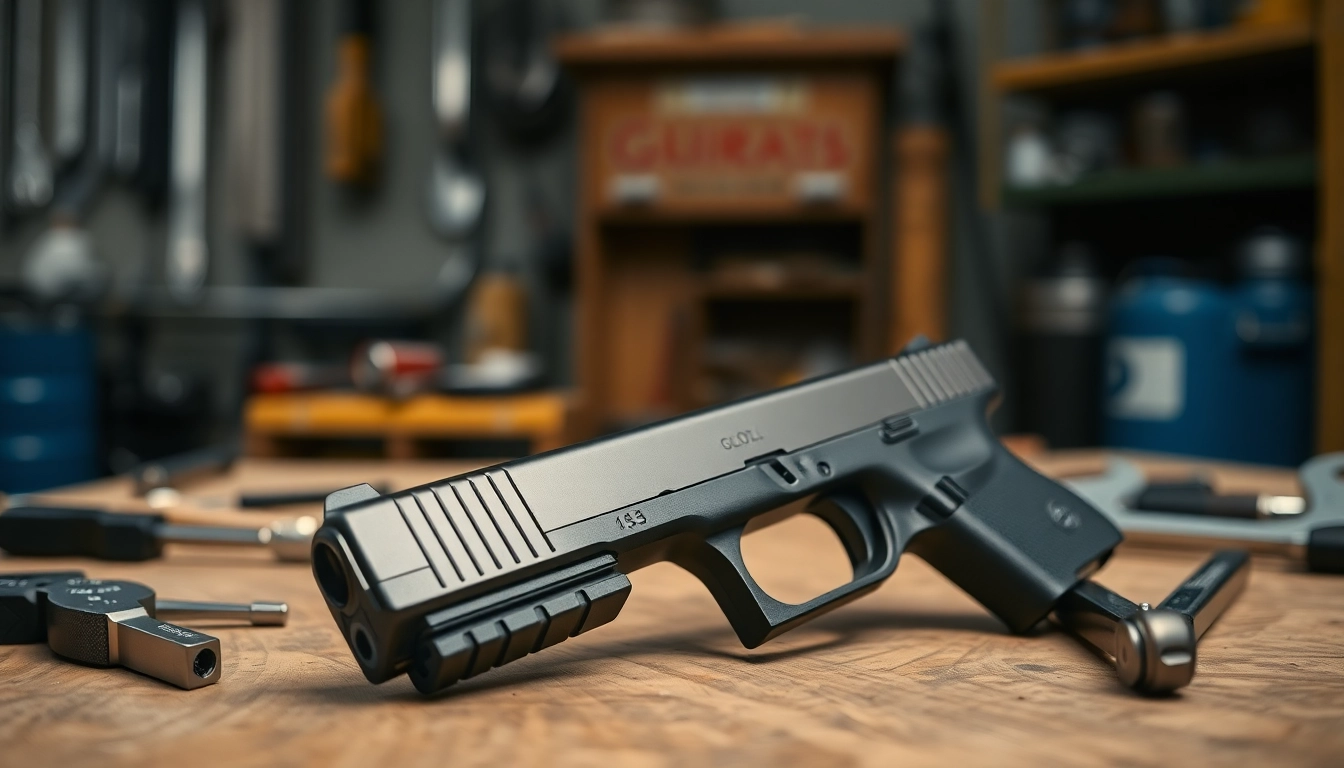
Understanding the Glock 43 Slide
What is a Glock 43 Slide?
The Glock 43 slide is a pivotal component of the Glock 43 pistol, a popular single-stack, subcompact handgun known for its slim profile and reliability. The slide houses crucial parts such as the barrel and recoil spring and is integral to the overall functionality of the firearm. The design of the slide not only affects the performance but also contributes significantly to the aesthetics of the pistol. A well-crafted glock 43 slide can enhance both the handling and shooting experience, providing a perfect balance between form and function.
The Benefits of Upgrading Your Glock 43 Slide
Upgrading your Glock 43 slide can lead to several significant advantages. Enhanced performance is at the forefront; a premium slide can improve accuracy, reduce weight, and provide better recoil management. Additionally, modern slides often come with features like optics cuts, allowing for the addition of red dot sights, which can elevate your shooting precision. Improved durability is another essential benefit—aftermarket slides frequently use higher-quality materials, which can help resist wear and environmental factors over time. Aesthetic upgrades also allow for personal customization, making your firearm more visually appealing.
Types of Glock 43 Slides Available
There is a broad variety of Glock 43 slides available on the market, catering to different preferences and shooting styles. Here are the primary types:
- Standard Slides: These slides are often designed to match the original specifications of the Glock 43, providing a straightforward replacement for worn-out components.
- Optics Ready Slides: These come pre-cut for mounting a red dot sight, enhancing speed and accuracy for target acquisition.
- Custom Slides: These slides can be personalized with different finishes, engravings, or cuts for weight reduction, appealing to those wanting a unique look.
- Threaded Slides: Ideal for those who wish to attach suppressors, these slides come with threaded barrels to accommodate suppressor attachments seamlessly.
Key Features to Look for in a Glock 43 Slide
Material and Build Quality of Glock 43 Slides
When selecting a Glock 43 slide, material and build quality are paramount. High-grade steels such as stainless steel offer a robust structure and resistance to corrosion, which is critical for maintaining performance in various conditions. Aluminum slides can reduce the overall weight of the firearm, facilitating easier handling, especially during prolonged use. Additionally, the thickness of the slide and the finish applied (like Nitride or Cerakote) also contribute to its durability and functionality. A well-constructed slide not only enhances shooting performance but also ensures longevity.
Optics Ready Glock 43 Slides
In recent years, the demand for optics-ready Glock 43 slides has surged due to the increasing popularity of red dot sights among both competitive shooters and everyday carriers. These slides feature mounts that allow for quick installation of optics without modification to the firearm. This feature enhances the shooter's ability to aim quickly and accurately. Moreover, some manufacturers provide additional options for various sight marks, allowing users to choose what best fits their preferences. Investing in an optics-ready slide can significantly enhance shooting capabilities and adaptability in various shooting scenarios.
Custom Finishes for Glock 43 Slides
Custom finishes on Glock 43 slides serve both functional and aesthetic purposes. Finishes like Cerakote or anodizing can improve corrosion resistance while allowing for a wide range of colors and designs. A properly finished slide can provide better grip under adverse conditions, enhancing user control during handling. Some shooters opt for unique designs or patterns, giving their firearm a personalized touch while ensuring that functionality remains uncompromised. Choosing a slide with a custom finish can reflect personal style while also enhancing the shooter's experience.
Installation Guide for Glock 43 Slides
Tools Needed for Installation
Installing a Glock 43 slide requires minimal tools, which can typically be found in most gun enthusiast kits. Essential tools include:
- Glock Armor Tool or Punch Set
- Small Hammer
- Flathead Screwdriver
- Cleaning Cloth
- Gun Oil or Lubrication
Having these tools on hand will make the installation process smoother and more efficient.
Step-by-Step Installation Process
- Unload the Firearm: Ensure that the Glock 43 is completely unloaded before beginning the installation process. Remove the magazine and visually check the chamber.
- Remove the Existing Slide: Use your Glock armor tool to push out the slide lock pin, then gently slide off the original slide from the frame.
- Prepare the New Slide: Before attaching the new slide, lubricate the contact points with gun oil to ensure smooth operation.
- Attach the New Slide: Position the new slide onto the frame. Ensure that it is aligned correctly, and then firmly slide it back until it clicks into place.
- Test Functionality: Fully pull back the slide and ensure it moves freely. Replace the slide lock pin to secure the slide.
Common Pitfalls to Avoid When Installing a Glock 43 Slide
While the installation process is generally straightforward, there are several common mistakes to avoid:
- Neglecting Safety: Always verify that the firearm is unloaded before performing any work.
- Over-Lubricating: Excess lubrication can attract dirt and grime, which can hinder performance. Apply a moderate amount to contact points only.
- Failure to Align Properly: Ensuring proper alignment of the slide and frame during installation is crucial. Misalignment can lead to functional issues.
Maintenance Tips for Your Glock 43 Slide
Cleaning Your Glock 43 Slide Effectively
Regular maintenance is essential for ensuring the longevity and performance of your Glock 43 slide. To clean it effectively:
- Disassemble the firearm, ensuring it is unloaded.
- Use a cleaning brush and gun oil to scrub the slide, focusing on any areas with buildup.
- Wipe down with a clean cloth to remove any residue or excess oil.
- Reassemble the slide and perform a function check.
Inspecting for Wear and Tear
Routine inspections of your Glock 43 slide are critical to identifying signs of wear or damage. Look for:
- Overall appearance for scratches, dents, or rust.
- Worn areas around the barrel and guide rails, which may indicate excessive use.
- Check for smooth movement and any unusual sounds during operation.
When to Replace Your Glock 43 Slide
Understanding when it is time to replace your Glock 43 slide is vital for maintaining the firearm's effectiveness. Consider replacement if you notice:
- Cracks or significant wear that could compromise safety.
- Persistent malfunctions during operation.
- Loss of finish that leads to corrosion or increased friction.
Frequently Asked Questions
What is the best material for a Glock 43 slide?
The best materials typically include stainless steel for durability and aluminum for reduced weight, depending on user preference.
Can I add optics to my Glock 43 slide?
Many Glock 43 slides are optics-ready, allowing for easy mounting of red dot sights for improved accuracy.
How often should I clean my Glock 43 slide?
Cleaning after each use is advised to maintain optimal performance and prevent buildup of dirt and debris.
What upgrades can enhance my Glock 43 slide?
Upgrades can include custom finishes, optics cuts, threaded barrels, and higher-quality materials for added performance.
Is the Glock 43 slide compatible with other models?
No, the Glock 43 slide is specifically designed for the Glock 43 and 43X models, ensuring proper fit and function.