
Introduction
Painting commercial exteriors in Maine requires more than standard coating practices. The region’s climate introduces a demanding combination of moisture, freeze-thaw cycles, coastal air exposure, and seasonal temperature extremes that can quickly degrade poorly prepared or low-quality paint systems.
Branam Brushworks provides professional painting commercial services throughout the Kennebec area, focusing on durability, protection, and long-term performance. With lead-safe certification and experience handling complex exterior environments, the team understands how to build coating systems that hold up under real-world weather stress.
A successful commercial exterior project is not just about appearance. It is about protecting structural materials, preserving property value, and ensuring that buildings remain visually strong and professionally maintained year-round.
Understanding Maine’s Impact on Commercial Exteriors
Freeze-Thaw Cycles and Surface Stress
One of the most significant challenges in painting commercial exteriors in Maine is the repeated freeze-thaw cycle. Moisture enters small surface cracks, freezes, expands, and gradually breaks down both paint films and underlying substrates.
Over time, this cycle leads to peeling, cracking, and substrate deterioration if surfaces are not properly sealed and protected. A high-performance coating system is essential to reduce this type of damage.
Moisture, Snow, and Rain Exposure
Commercial buildings in Maine are exposed to heavy precipitation throughout the year. Snow accumulation in winter and frequent rain in other seasons place constant stress on exterior surfaces.
Painting commercial exteriors must account for water resistance and vapor control to prevent moisture penetration and long-term structural issues.
UV and Seasonal Temperature Variation
In addition to moisture, buildings face UV exposure during warmer months. Sunlight can cause fading, chalking, and breakdown of paint binders, especially on south-facing surfaces.
Temperature swings between seasons further expand and contract building materials, requiring coatings with strong elasticity and adhesion.
The Importance of Proper Surface Preparation
Removing Failed Coatings and Contaminants
Before applying any new system, existing damaged paint must be thoroughly evaluated and removed where necessary. Loose, peeling, or chalking layers can prevent proper adhesion of new coatings.
Painting commercial exteriors requires a clean, stable surface to ensure long-term durability.
Addressing Substrate Damage
Wood, masonry, metal, and composite surfaces each respond differently to weather exposure. Cracks, rot, corrosion, or moisture intrusion must be repaired before painting begins.
Without proper repairs, even high-quality coatings will fail prematurely.
Cleaning for Adhesion
Dirt, mildew, salt residue, and environmental buildup are common on commercial exteriors. These contaminants must be removed through pressure washing or specialized cleaning solutions.
Proper surface preparation ensures strong bonding between the coating system and the substrate.
Choosing Weather-Resistant Commercial Coatings
High-Performance Exterior Paint Systems
Painting commercial exteriors in Maine requires coatings designed for durability under harsh environmental conditions. These systems are formulated to resist cracking, peeling, and fading while maintaining flexibility.
A properly selected system can significantly extend the life of the exterior finish.
Moisture and Mold Resistance
Given the region’s humidity and precipitation levels, coatings must also resist mold, mildew, and algae growth. These issues not only affect appearance but can also damage underlying materials.
Anti-microbial additives in modern commercial coatings help maintain cleaner surfaces over time.
UV Protection and Color Retention
High-quality exterior paints include UV-resistant properties that help maintain color stability over time. This is particularly important for commercial properties where consistent branding and appearance matter.
Planning Exterior Commercial Painting Projects
Seasonal Timing Considerations
Weather plays a major role in scheduling painting commercial exterior work in Maine. Temperature, humidity, and precipitation levels must all be suitable for proper curing and adhesion.
Late spring through early fall is typically the most effective window for exterior work.
Minimizing Business Disruption
Even exterior work can impact business operations, especially in retail or high-traffic commercial areas. Planning must consider parking access, customer flow, and safety zones.
Proper coordination ensures that business operations continue smoothly during the project.
Safety in Exterior Commercial Painting
Working at Heights and Structural Safety
Commercial exteriors often require elevated work on multi-story buildings. This introduces safety challenges that must be addressed through proper equipment and training.
Painting commercial exteriors safely requires the use of scaffolding, lifts, harness systems, and strict adherence to safety protocols.
Lead-Safe Certified Procedures
Older commercial buildings may contain lead-based paint on exterior surfaces. Disturbing these materials requires certified procedures to ensure safe containment and handling.
Branam Brushworks follows lead-safe practices when necessary, ensuring compliance and safety throughout exterior projects.
Application Techniques for Long-Lasting Results
Even Coverage Across Large Surfaces
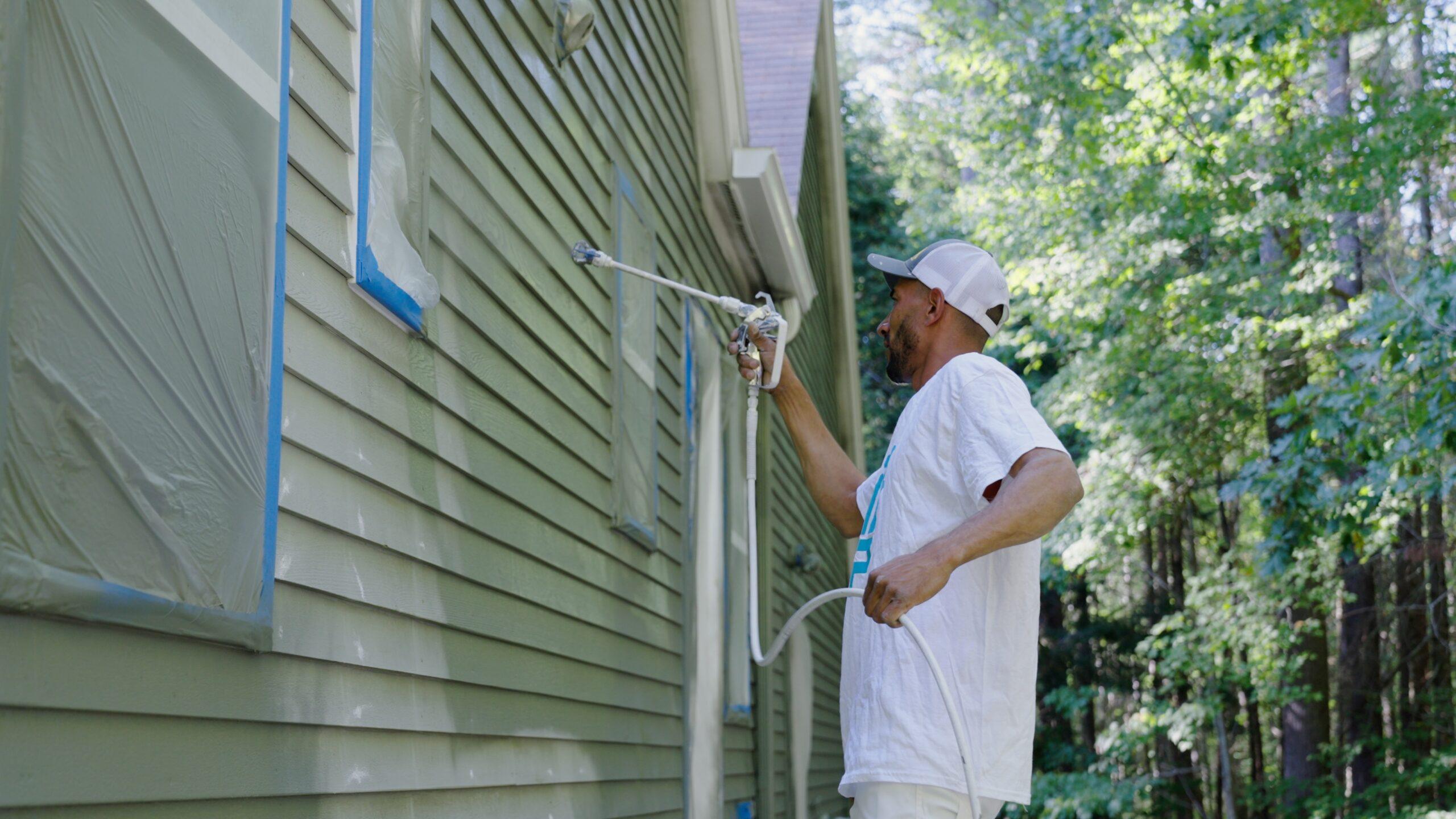
Commercial exteriors involve large and often complex surfaces. Achieving consistent coverage requires advanced application techniques such as airless spraying combined with back-rolling or brushing where needed.
This ensures uniform texture and strong adhesion.
Layering for Durability
Multiple coating layers, including primers and topcoats, are often required for maximum protection. Each layer plays a role in sealing, bonding, and protecting the substrate.
Painting commercial exteriors with a layered system improves resistance to environmental stress.
Protecting Different Exterior Materials
Wood Surfaces
Wood expands and contracts with moisture and temperature changes. Proper sealing and flexible coatings are essential to prevent cracking and water intrusion.
Masonry and Concrete
Masonry surfaces are porous and require breathable coatings that allow moisture vapor to escape while preventing water penetration.
Metal Surfaces
Metal exteriors must be protected against corrosion and rust. Specialized primers and coatings help extend the lifespan of structural steel and metal siding.
Maintenance and Longevity Strategies
Regular Inspections
Even the best exterior coatings require periodic inspection. Identifying early signs of wear allows for timely maintenance and prevents larger issues.
Touch-Up and Recoating Cycles
Painting commercial exteriors should be part of a long-term maintenance plan. High-traffic or highly exposed areas may require touch-ups between full repaint cycles.
Proactive maintenance helps extend coating lifespan and preserve appearance.
The Business Value of Exterior Painting
Stronger First Impressions
Exterior appearance is often the first interaction customers have with a business. A clean, well-maintained building communicates professionalism and reliability.
Painting commercial exteriors enhances curb appeal and strengthens customer trust.
Property Value Protection
Well-maintained exteriors help preserve structural integrity and reduce long-term repair costs. This contributes directly to property value retention.
Brand Consistency
For businesses with physical branding elements, exterior color consistency is essential. A fresh paint system ensures alignment with brand identity and marketing standards.
Why Professional Expertise Matters
Experience with Complex Environments
Painting commercial exteriors requires knowledge of materials, weather patterns, safety systems, and application techniques. Inexperienced work often leads to premature failure and higher long-term costs.
Branam Brushworks brings structured expertise to every exterior project, ensuring dependable performance under Maine’s challenging conditions.
Precision and Accountability
Successful exterior work depends on attention to detail, communication, and accountability at every stage. From preparation to final inspection, consistency is critical.
Conclusion
Painting commercial exteriors that withstand Maine weather requires a strategic approach that combines preparation, material selection, timing, and skilled application. The region’s climate demands coatings that can handle moisture, temperature shifts, UV exposure, and structural movement without failing.
When executed correctly, exterior painting protects commercial buildings, enhances appearance, and extends long-term property value.
Branam Brushworks delivers reliable painting commercial exterior services across the Kennebec area, focusing on durability, safety, and precision. Through careful planning and high-performance systems, commercial property owners can achieve long-lasting protection and a professional exterior finish that stands up to Maine’s toughest conditions.