Understanding Bobcat Machinery
What is a Bobcat?
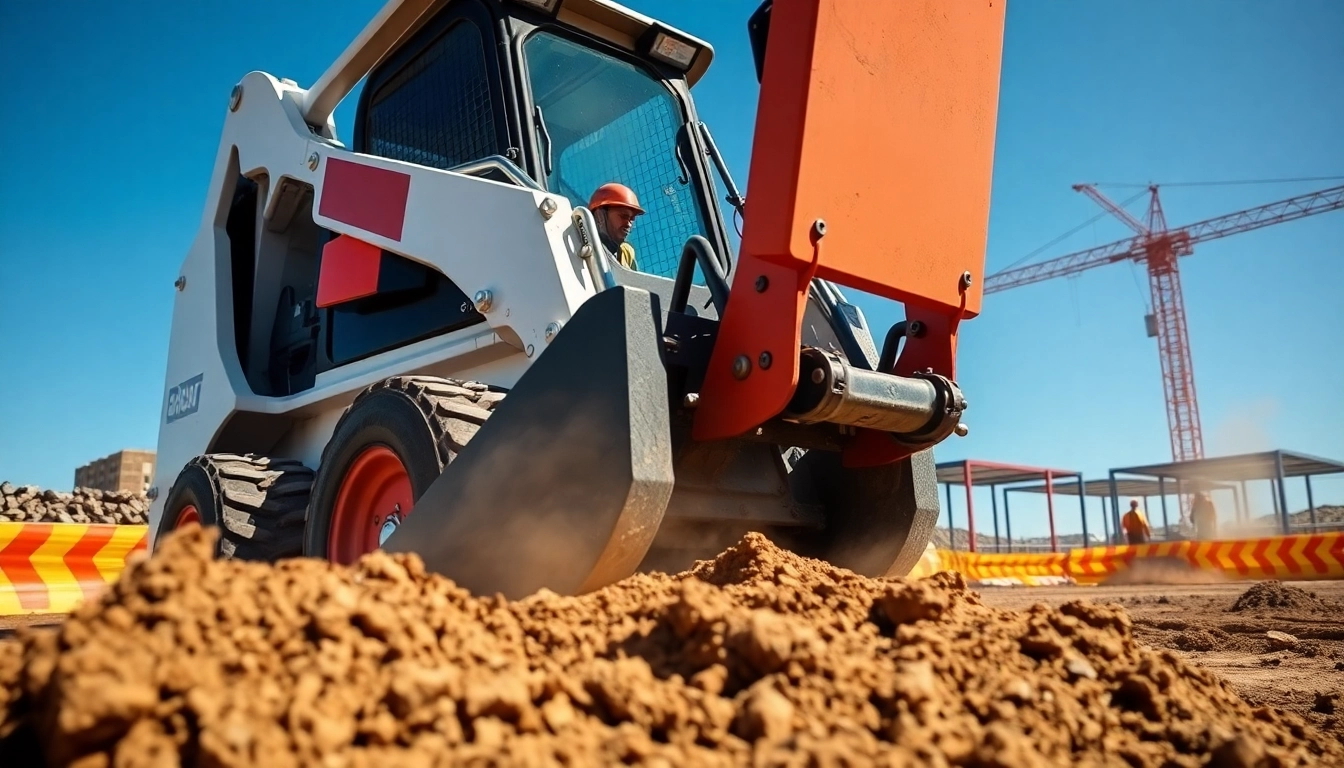
A bobcat is a versatile piece of construction equipment known for its compact design and formidable power. Originally manufactured by the Bobcat Company, the term has become synonymous with skid steer loaders that are ideal for a wide range of tasks. These machines feature a rigid frame, a lifting arm, and a variety of attachments, enabling operators to perform diverse functions from digging and lifting to grading and material handling.
Types of Bobcats
Bobcats come in various types, each designed to meet specific needs within the construction and landscaping industries. Below are some common types:
- Standard Bobcats: These are the most commonly used models for general construction tasks, equipped for lifting and transporting materials.
- Compact Bobcats: Smaller than standard models, compact bobcats are great for confined spaces, making them ideal for urban settings.
- Track Loaders: These models have tracks instead of wheels, providing better stability and traction on uneven terrain.
- Multi-terrain Loaders: Designed for versatility and efficiency, these loaders can navigate various terrains easily.
- Bobcat Attachments: Besides different machines, a broad array of attachments like buckets, grapples, and forks are available to enhance functionality.
Common Uses of Bobcats
Bobcats are celebrated for their wide range of applications across various industries:
- Construction: Used for excavation, grading, and site preparation.
- Landscaping: Ideal for moving soil, rocks, and other landscaping materials.
- Agriculture: Useful for feeding livestock, clearing fields, and moving supplies.
- Demolition: Effective for small demolition jobs where space is limited.
- Road Maintenance: Bobcats can grade and clear debris from roads and pathways.
Choosing the Right Bobcat for Your Needs
Assessing Project Requirements
Before selecting a bobcat, it's essential to evaluate the specific requirements of your project. Consider factors such as terrain type, load capacities, and the nature of tasks to be performed. For instance, if your project involves earthmoving in tight spaces, a compact bobcat might be the best option. Conversely, for heavier duties, a standard or track loader could be more appropriate.
Size and Power Considerations
The size and power of the bobcat are critical for ensuring efficiency in your project. Smaller machines are easier to maneuver in confined spaces, while larger models provide more power and lift capacity. It's crucial to match the bobcat's size with the task at hand to avoid over-passing the machine's limits and risking potential damage or inefficiencies.
Operating Environments
Different operating environments demand various features from a bobcat. Rugged terrains may require machines with enhanced traction or weight distribution, while softer grounds might call for lighter options that minimize ground pressure. Being mindful of the operating environment will help in selecting a bobcat equipped with the correct specifications.
Maintenance Practices for Bobcat Longevity
Routine Inspections
Regular inspections are paramount for maintaining the health of a bobcat. An effective maintenance routine includes checking fluid levels, examining hydraulic systems, and inspecting tires or tracks for wear. Scheduling consistent maintenance checks minimizes downtime and extends the lifespan of the equipment.
Essential Repairs
Addressing repairs promptly can prevent small issues from escalating into significant problems. Common repairs include hydraulic leaks, engine problems, and electrical malfunctions. Operators should be trained to recognize early signs of trouble and take corrective measures before the integrity of the machine is compromised.
Best Lubrication Techniques
Proper lubrication is key to ensuring that a bobcat operates efficiently. Adhering to the manufacturer's recommended lubrication schedule can help prevent excessive wear and tear. Regularly lubricating joints, hinges, and moving parts reduces friction, contributing to smoother operation and a longer service life.
Safety Protocols when Operating Bobcats
Pre-Operation Safety Checks
Conducting thorough pre-operation safety checks is a necessity for ensuring operator safety. This includes examining the bobcat for leaks, ensuring the proper functioning of safety equipment, and checking that the working area is clear of hazards. These preliminary steps can significantly reduce accident risks during operation.
Operator Training Requirements
It is crucial that operators receive proper training to understand the equipment's functionalities and safety protocols. Comprehensive training programs should cover everything from machine operation to emergency procedures. Skilled operators are less likely to make mistakes that can lead to accidents or equipment damage.
Emergency Procedures
Every bobcat operator should be familiar with emergency procedures to act quickly and effectively should an incident occur. This includes knowledge of safety shutdown features, the location of emergency communication devices, and first aid knowledge. Regular drills can ensure that all operators are prepared for unforeseen events.
Maximizing Productivity with Bobcats
Time-Saving Techniques
Productivity hinges on efficiency, and bobcats can significantly decrease time spent on tasks. Using the right attachments can streamline operations—for instance, employing a bucket for digging and a grapple for material handling. Additionally, planning work routes and material movements can further enhance productivity.
Efficient Workflows
Establishing efficient workflows is key to maximizing productivity. This involves coordinating activities among various team members to minimize idle time. Implementing a clear sequence of operations, such as preparing the site first before bringing in heavy machinery, can help streamline the project timeline.
Tracking Project Progress
Keeping tabs on the progress of a project is vital for evaluating productivity. Operators can utilize software tools to track machine usage hours, tasks completed, and any stoppage time. This data can be invaluable for understanding workflows and identifying areas for improvement in future projects.
FAQs about Bobcats
What are the advantages of using a bobcat?
Bobcats offer versatility, efficiency, and ease of operation, making them suitable for a variety of tasks. Their compact size allows for use in tight spaces where larger machinery cannot operate.
How do I choose the right bobcat for my job?
Evaluate your project requirements, such as the type of terrain, load capacities, and specific tasks. Match these needs with the size, power, and type of bobcat that fits best.
What maintenance is required for bobcats?
Regular inspections, prompt repairs, and adherence to lubrication schedules are essential for maintenance. This approach helps prolong the equipment's service life and ensures its reliability.
How can I improve safety while operating a bobcat?
Conduct pre-operation checks, ensure operators are trained, and familiarize them with emergency procedures. These practices can significantly enhance safety during operation.
Can bobcats be used in all terrains?
While bobcats are designed for diverse terrains, some models are better suited for specific conditions. Choose a track loader for muddy or uneven surfaces, and a wheeled model for firmer ground.