Understanding Epoxy Garage Floors
When it comes to enhancing the functionality and aesthetics of your garage, an Epoxy Garage Floor stands out as a popular choice among homeowners and professionals alike. This resilient flooring solution not only rejuvenates concrete surfaces but also provides a durable, long-lasting finish that can withstand the wear and tear of everyday use. In this article, we will delve into the essentials of epoxy garage floors, including their benefits, common misconceptions, and the preparation needed for a perfect installation.
What is an Epoxy Garage Floor?
An epoxy garage floor is a protective coating primarily made from epoxy resin and hardeners. It forms a chemical bond with the concrete surface, leading to a solid, durable layer that can resist stains, chemicals, and heavy impacts. Typically available in various colors and finishes, epoxy can add a sleek and polished look to any garage space.
Benefits of Choosing Epoxy for Your Garage
- Durability: Epoxy floors can handle heavy vehicles and equipment without cracking or chipping, making them ideal for garage environments.
- Stain Resistance: The surface is highly resistant to oil, gasoline, and other spills, making cleanup easy and maintenance low.
- Aesthetic Appeal: Available in numerous colors and styles, epoxy flooring allows for customization, enhancing your garage's overall look.
- Easy Maintenance: With minimal upkeep required, a simple mop and mild detergent can keep your epoxy floor looking new.
- Safety: Epoxy flooring can be formulated to be slip-resistant, providing an extra layer of safety for you and your family.
Common Misconceptions About Epoxy Floors
Despite their popularity, there are several misconceptions surrounding epoxy garage floors:
- Epoxy Floors are Slippery: While some types of epoxy can be slick, many formulations include additives that enhance grip, reducing slip hazards.
- They are Too Expensive: Although the initial investment might be higher compared to traditional concrete, the durability and longevity of epoxy floors often offset the costs over time.
- Epoxy is Not Environmentally Friendly: Many modern epoxy products are low in VOCs (volatile organic compounds), making them safer for indoor applications.
Preparation for Epoxy Application
Before applying an epoxy coating, proper preparation of your garage floor is essential to ensure a strong bond and long-lasting results.
Assessing Your Garage Floor Condition
Start by evaluating the existing condition of your concrete floor. Look for cracks, pits, or significant damage that may need repair before you proceed. A sound surface is crucial for the epoxy to adhere properly and to perform optimally.
Essential Tools and Materials for Epoxy Application
Gather the necessary tools and materials for your epoxy application:
- Epoxy flooring kit or individual components (resin and hardener)
- Concrete grinder or floor sander
- Etching solution (if needed)
- Paint roller and brush
- Protective gear (gloves, mask, goggles)
Step-by-Step Guide to Prep Your Garage Floor
- Clean the Surface: Remove any dirt, dust, or debris, and ensure the floor is completely dry.
- Repair Cracks: Use a concrete repair compound to fill in any cracks or pits.
- Etch the Surface: If your floor is smooth, etch it using a concrete etching solution to improve adhesion.
- Apply a Primer: Some epoxy systems benefit from a primer coat for added adhesion.
Choosing the Right Epoxy Flake Colors
The appearance of your garage can be significantly enhanced by selecting the right epoxy flake colors. Flakes can not only add beauty but also help to mask imperfections in the concrete.
How Colors Affect Your Garage Aesthetics
Colors can dramatically change the mood and perception of space. Lighter colors may make a small garage feel larger, while darker colors can create a more sophisticated atmosphere. Incorporate complementary colors to elevate the overall style of the environment.
Our Best-Selling Epoxy Flake Options
Some of the best-selling colors in our epoxy flake lineup include:
- Granite: A classic choice providing a sleek, polished look.
- Desert Tan: Offers a warm, earthy tone.
- Midnight Black: Ideal for a bold and contemporary feel.
- Slate Grey: A versatile option that complements many design aesthetics.
Mixing Flakes for a Unique Custom Look
Consider mixing different colors of flakes to create a unique appearance tailored to your style. This customization not only enhances aesthetics but also adds a personal touch to your garage.
Application Process for Epoxy Garage Floors
Applying an epoxy floor can be a straightforward process if you follow the right steps. With careful preparation and attention to detail, you can achieve a stunning finish.
Step-by-Step Application Techniques
- Mix the Epoxy: Carefully combine the resin and hardener as per the manufacturer's instructions.
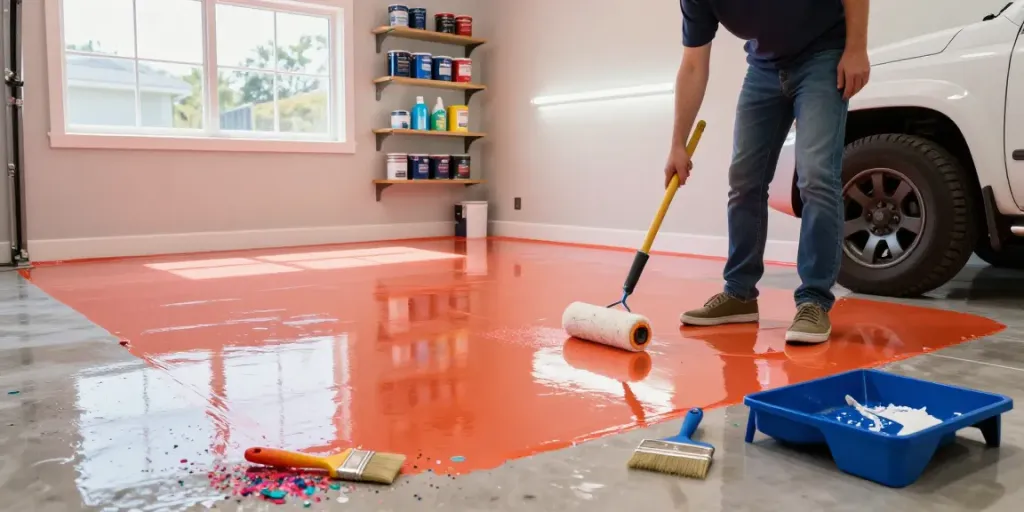
- Apply the Base Coat: Using a paint roller, apply the base coat evenly across the garage floor.
- Add Flakes: While the base coat is still wet, sprinkle the flakes to achieve desired coverage.
- Apply the Top Coat: Once the base coat has cured, apply a clear top coat for added durability.
Tips for Achieving a Professional Finish
To achieve the best results with your epoxy flooring, consider these tips:
- Work in sections to ensure even coverage.
- Use high-quality applicators for a smooth application.
- Follow the manufacturer's guidelines for curing times.
Common Mistakes to Avoid During Application
To prevent complications, avoid the following errors:
- Not properly preparing the concrete surface.
- Skipping the primer coat if required.
- Applying the epoxy in unsuitable weather conditions (e.g., high humidity).
Maintaining Your Epoxy Garage Floor
Once your epoxy garage floor is installed, maintenance is relatively simple, but there are best practices to keep it looking its best.
Best Practices for Cleaning and Caring for Epoxy Floors
- Regularly sweep or vacuum to remove dirt and debris.
- Use a damp mop with a mild detergent for deeper cleaning.
- Avoid harsh chemicals that can damage the epoxy finish.
Signs Your Epoxy Floor Needs Attention
Monitor your floor for signs of wear or damage, such as:
- Chipping or peeling of the surface.
- Discoloration or stains that don't come off with regular cleaning.
- Increased slipperiness, indicating a need for re-coating.
Future Trends in Garage Flooring Solutions
As technology and design trends evolve, so do the options for garage flooring. Expect to see increased availability of eco-friendly materials, advances in color and pattern customization, and enhanced durability features in epoxy products moving forward.
Frequently Asked Questions
Here, we address some common queries related to epoxy garage floors:
How much will it cost to epoxy a garage floor?
Costs can vary widely based on size, quality of materials, and complexity of the installation. Generally, expect to invest between $3 to $12 per square foot.
Is it worth it to epoxy a garage floor?
Yes, when considering durability, maintenance, and aesthetic enhancements, epoxy garage floors provide excellent value for homeowners looking to upgrade their garage space.
What are the downsides of epoxy garage floors?
Some potential downsides include susceptibility to UV damage (if not protected) and the need for professional application to achieve the best results.
How much does a 20x20 epoxy floor cost?
A standard 20x20 garage floor can cost between $1,200 and $4,800 depending on the quality of materials and labor costs involved.