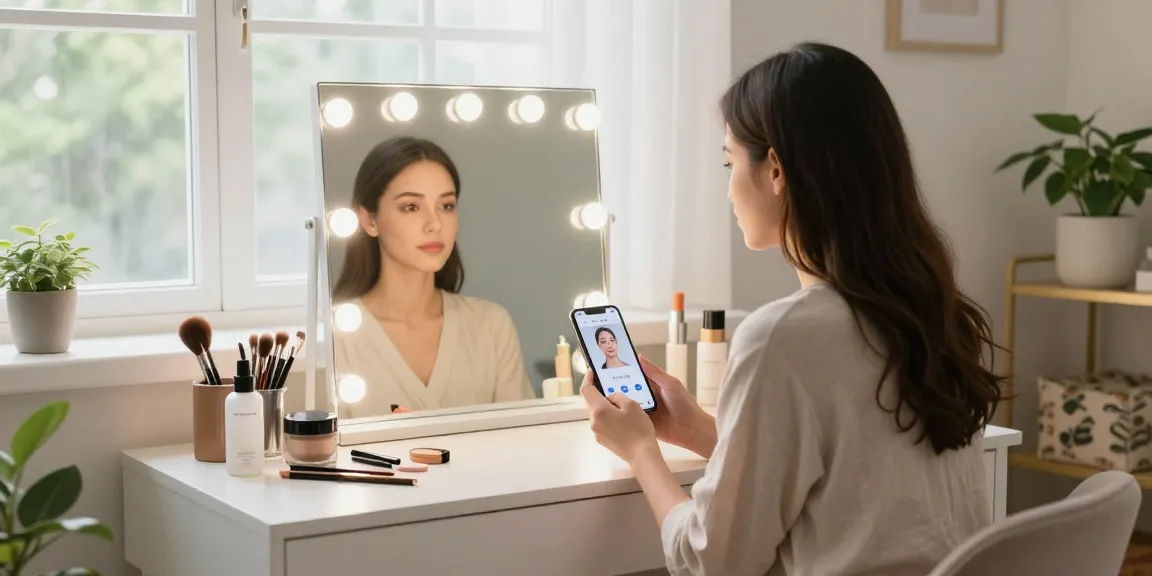
Understanding Facial Age Estimation Technology
In an age dominated by technological advancements, facial age estimation has emerged as a fascinating and engaging area of exploration. With the help of artificial intelligence (AI), people can now get a glimpse of how old they appear based on their facial features. This technology has implications that extend beyond mere curiosity; it can influence self-perception, beauty standards, and even marketing strategies. For those interested in discovering their perceived age, tools like how old do i look provide valuable insights into personal aging assessments.
What Does "How Old Do I Look" Mean?
The phrase "how old do I look" encapsulates a modern preoccupation with youthfulness and beauty. It reflects a societal tendency to gauge someone's age visually and often connects to broader themes of self-esteem and attractiveness. Users typically upload a photograph, and the AI analyzes various facial features—such as skin texture, wrinkles, and facial contours—to provide an estimated age. This practice has gained traction, particularly among younger audiences eager to engage with technology in playful yet informative ways.
Key Technologies Behind Age Estimation
At the heart of age estimation technologies are sophisticated algorithms that utilize machine learning techniques. They rely on extensive datasets of images to train computers to recognize patterns associated with aging. The technology typically employs convolutional neural networks (CNNs) that analyze thousands of facial images to predict age with remarkable accuracy. These tools often incorporate facial recognition features that evaluate numerous variables, including:
- Skin Condition: The evaluation of skin smoothness, wrinkles, and blemishes.
- Facial Structure: Changes in the contours of the face as one ages.
- Coloration: Variations in skin tone and texture associated with aging.
Privacy Considerations in Age Analysis Tools
While the allure of age estimation tools is undeniable, privacy concerns loom large. Users need to be aware of how their images are processed and stored. Many reputable apps stress their commitment to data security, often emphasizing that images are deleted after processing. Nonetheless, it's essential for users to familiarize themselves with the tools' privacy policies prior to engaging. Transparency in data handling is crucial for maintaining user trust in AI technologies.
How to Use AI Age Estimators Effectively
To make the most of AI age estimation tools, users should follow a practical approach that maximizes the accuracy of their results. By understanding how these tools operate, individuals can better navigate the nuances of their facial age estimates.
Step-by-Step Guide to Uploading Your Photo
Using AI-powered age estimators is generally straightforward. Here’s a quick guide:
- Select a Reliable Tool: Choose from platforms known for their accuracy and user-friendliness.
- Prepare Your Photo: Ensure the image is well-lit and shows your face clearly. Avoid excessive makeup or filters that could distort your features.
- Upload Your Image: Follow the site instructions to upload your photo.
- Wait for Processing: The AI will analyze your features, which typically takes just a few seconds.
- Review Your Results: Interpret the age estimation provided and consider sharing your findings.
Choosing the Right Age Estimator Tool
Not all age estimation tools are created equal. When selecting an app or website, consider the following factors:
- User Reviews: Check ratings and user experiences to ensure reliability.
- Data Security: Opt for platforms that guarantee the safety of uploaded images.
- Technology Transparency: Understand the underlying technology and methodologies used for estimation.
Interpreting Your Results Accurately
Once you receive your age estimate, it’s important to consider the context. Remember that these tools provide approximations based on statistical models and may not reflect your chronological age accurately. Use the results as a fun way to explore perceptions of aging rather than a definitive measure of your worth or beauty.
Common Misconceptions about Facial Age Detection
Misunderstandings surrounding AI-based age estimation are common, leading to misconceptions about the technology's capabilities and limitations. It's crucial to address these concerns to foster a more informed user base.
Can AI Truly Accurately Estimate Age?
While AI has made significant strides in facial recognition and analysis, accuracy can vary based on numerous factors, including the quality of the input image and the algorithms in use. Some studies indicate that discrepancies can occur, particularly among different demographics. Thus, while AI can provide insight, the results should be taken with a grain of caution.
Understanding Facial Features and Aging
Facial aging is influenced by both biological and environmental factors. Genetics, sun exposure, and lifestyle choices (like smoking and diet) play significant roles in how one’s face ages. AI tools that fail to account for these variables may lead to less accurate estimations.
Myths vs. Facts about Age Perception
Many myths exist about the aging process and how it’s perceived visually. For instance, some believe that women are often judged more harshly than men regarding their age appearance. Understanding these sociocultural dynamics can enhance the user experience, as they explore their age through AI.
Best Practices for Engaging with Age Estimation Apps
To fully enjoy the capabilities of age estimation technology, it's essential to engage thoughtfully and responsibly with these apps.
Maximizing the Fun: Sharing Results with Friends
Using age estimators can be a fun social activity. Share results with friends or use them as conversation starters. However, it's crucial to maintain a light-hearted attitude while respecting others' sentiments about aging.
Integrating Age Estimation into Social Media
Posting results on social media platforms can be an entertaining way to generate engagement. You might consider creating polls or challenges around age estimates, encouraging friends to join in the fun.
Keeping Your Data Safe and Secure
As mentioned earlier, data privacy should be a priority when using AI tools. Always opt for apps with clear privacy policies and those that guarantee the deletion of your photos post-analysis.
Future Trends in Age Estimation Technology
The future of age estimation holds exciting potential. As technology evolves, we can expect enhancements that will refine accuracy and expand applications across various sectors.
Advancements Expected by 2026
By 2026, we anticipate significant improvements in the algorithms used for age estimation. More comprehensive datasets will enable AI to consider additional factors like emotional expressions and lifestyle signals, leading to more nuanced age assessments.
How AI Will Shape Personal Grooming and Aesthetics
Age estimation tools may also influence the personal grooming and aesthetic industries. As consumers gain insights into their perceived ages, they might become more invested in skincare and beauty regimens tailored to their needs.
Emerging Applications in Health and Wellness
Beyond the realm of self-perception, age estimation could find applications in health and wellness fields. It might be utilized to assess aging-related risks or to personalize treatment plans based on perceived biological age.
What if Age Estimation Tools Become Commonplace?
If these tools become widely adopted, they may significantly impact societal norms surrounding aging. A shift towards embracing visible aging might occur, challenging current beauty standards and perceptions.
Will AI Change How We View Aging?
Ultimately, AI-driven age estimators may alter how we perceive and react to aging. By fostering a deeper understanding and acceptance of aging, society may cultivate a more positive narrative around growing older, leading to enhanced self-esteem and body image across demographics.