Understanding Bed Bugs
What Are Bed Bugs?
Bed bugs are small, elusive pests that primarily feed on human blood. Measuring about 4 to 5 millimeters in length, they are brownish and can be identified by their oval shape. These nocturnal insects thrive in warm environments, often hiding in mattresses, bed frames, and furniture, making them difficult to spot until a significant infestation occurs. Their ability to reproduce rapidly and survive for long periods without feeding creates challenges for eradication, making effective bed bug pest control crucial.
Signs of Infestation
Recognizing the signs of a bed bug infestation is the first step in addressing the issue. Common indicators include:
- Bites on your body, often on exposed skin during sleep.
- Small reddish-brown stains on sheets and mattresses, which are actually bed bug excrement.
- Visible bed bugs or shells in hiding places, including seams, cracks, and crevices of furniture.
- An unpleasant, musty odor from their scent glands.
Early detection and prompt action can prevent further spread and make the bed bug pest control process more manageable.
Health Risks Associated with Bed Bugs
Although bed bugs do not transmit diseases, their bites can lead to a range of health issues. Bites can cause intense itching and discomfort, potentially leading to secondary infections from scratching. In some rare cases, individuals may experience allergic reactions to bed bug saliva, resulting in swollen welts or more severe skin reactions. Understanding these health risks underscores the importance of effective pest management.
Essential Bed Bug Pest Control Techniques
Non-Chemical Control Methods
Non-chemical approaches can be effective in managing bed bug infestations, especially in the early stages. Some methods include:
- Vacuuming: Regularly vacuuming carpets, rugs, and upholstery can eliminate visible bugs and half-to-three-quarter eaten eggs.
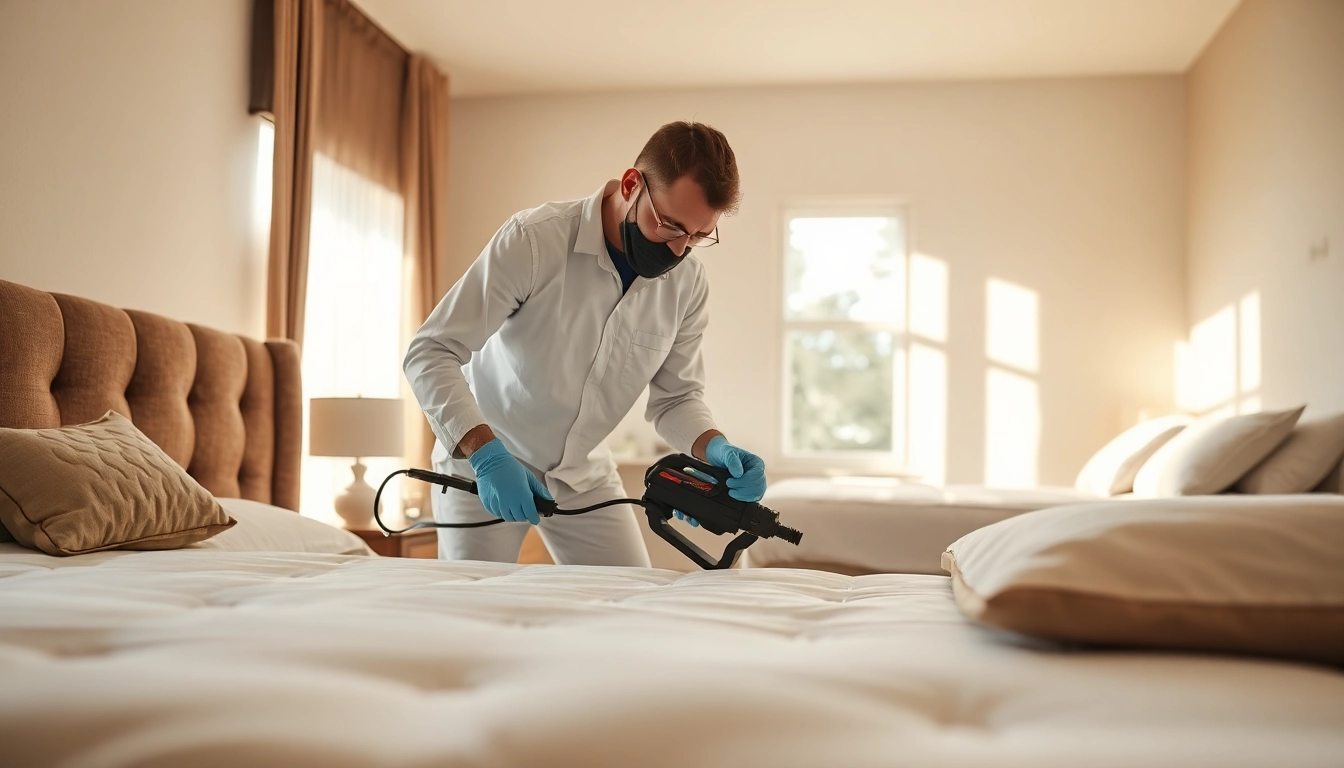
- Heat Treatment: Bed bugs are sensitive to temperature. Washing bedding and garments at high temperatures (at least 120°F) or using steam cleaners can kill bed bugs at all life stages.
- Encasements: Using bed bug-proof mattress and pillow covers can trap any remaining bugs, preventing them from infesting your sleeping area.
These methods, while effective, are often best used as part of a broader strategy incorporating chemical controls.
Chemical Pest Control Options
Chemical treatments, when applied correctly, can effectively eliminate bed bugs. It’s important to choose the right product as some bed bugs may develop resistance. Options include:
- Insecticides: Conventional insecticides target bed bugs directly. It's imperative to follow the product's instructions meticulously for safety and effectiveness.
- Boric Acid: This natural insecticide can be applied in areas where bed bugs are likely to travel.
- Desiccants: Products containing silica gel or diatomaceous earth can dehydrate bed bugs, leading to death when they come into contact with these substances.
Using chemicals should be approached with caution, and consideration should be given to potential health risks to residents and pets.
Integrated Pest Management Approach
An Integrated Pest Management (IPM) approach combines multiple methods for a comprehensive strategy to control bed bugs. This includes:
- Monitoring: Regular inspections to identify bed bug presence, often using traps or visual checks.
- Prevention: Reducing clutter, close monitoring of potential entry points, and educating residents about bed bug signs.
- Treatment: Utilizing a combination of chemical and non-chemical methods tailored to the situation, responding to the severity of the infestation.
The IPM approach is holistic and focuses on long-term prevention while effectively addressing current infestations, thus enhancing the efficacy of bed bug pest control.
Preparing for Bed Bug Pest Control
Initial Steps Before Calling Professionals
Before seeking professional help, consider these preliminary steps:
- Self-Assessment: Inspect your living areas, paying close attention to bedrooms, furniture, and common shared spaces.
- Document Findings: Create a record of infestation signs encountered, which can assist professionals in deploying targeted treatment plans.
- Minimize Movement: Avoid moving items from the infested area to prevent spread.
Taking self-initiated action can contribute to better overall outcomes during professional interventions.
How to Prepare Your Home
Preparation for treatment can significantly impact the efficacy of bed bug remedies:
- Declutter: Remove clutter from floors, surfaces, and under furniture to reduce hiding places for bed bugs.
- Launder Affected Fabrics: Wash all bedding, linens, and garments in hot water and dry them on high heat.
- Move Furniture: Position furniture away from walls to provide easier access for pest control treatments both before and during.
By preparing your home, you enable exterminators to work efficiently, thus enhancing the likelihood of success.
Items to Remove or Clean
Specific items should either be removed or thoroughly cleaned prior to pest control treatment:
- Personal Items: Remove items like books, electronics, or clothing from infested areas.
- Pet Accommodations: Ensure pets are kept in a safe area away from treatment zones.
- Soft Furnishings: Take cushions and throws that can be washed or cleaned to an external cleaning service.
Actively cleaning or removing items can reduce the bed bug population and enable greater effectiveness during pest control efforts.
Post-Treatment Care
Maintaining a Bed Bug-Free Home
Once you've treated your home for bed bugs, maintaining a pest-free environment is critical:
- Regular Inspections: Schedule periodic checks to identify any returning signs of bed bugs.
- Ongoing Cleaning: Continue vacuuming and laundering linens regularly to diminish the chance of re-infestation.
- Inform Visitors: If you share spaces, educate others about potential signs of bed bugs to foster early detection.
Ongoing vigilance can help safeguard against future infestations.
Signs to Look Out for After Treatment
After treatment, it's essential to remain vigilant for enduring signs of bed bugs, which include:
- New bites appearing on your skin.
- Additional sightings of live bugs or eggs.
- Resurfacing brown stains on bedding or furniture.
Monitoring post-treatment can catch issues early, allowing for timely interventions as necessary.
When to Schedule a Follow-Up
Follow-ups play a critical role in pest management:
- Recommended Timing: Follow-up appointments should typically occur two weeks after the initial treatment.
- Inspections: Utilize these appointments for thorough inspection and re-treatment if necessary.
- Continuous Monitoring: After each treatment, continue to monitor for new infestations diligently.
Maintaining a proactive approach ensures long-term success in bed bug eradication.
Frequently Asked Questions
What is the Most Effective Method for Bed Bug Pest Control?
The most effective method usually combines heat treatment and professional insecticides, tailored to the specific situation.
Are Bed Bugs Dangerous to My Health?
While they don't transmit diseases, bed bug bites can lead to allergic reactions, secondary infections, and significant discomfort.
How Long Does Bed Bug Pest Control Take?
The treatment duration can vary, but most professional services take a few hours, with follow-ups needed a week or two later.
Can I Do Bed Bug Pest Control Myself?
DIY methods can be attempted, but they often require considerable effort and may not eliminate all bed bugs effectively.
How Can I Prevent Future Bed Bug Infestations?
Regular cleaning, using protective mattress covers, and being cautious when acquiring used items can help prevent re-infestations.