Understanding Bed Bug Heat Treatment
What is Bed Bug Heat Treatment?
Bed bug heat treatment is a pest control method that involves raising the temperature of an infested area to levels lethal to bed bugs. Typically, the ambient temperature is increased to around 120°F to 140°F (49°C to 60°C) and maintained for a specific duration, usually between 4 to 6 hours, ensuring that all life stages of the bed bugs, including eggs, nymphs, and adults, are killed. This non-chemical method has gained popularity due to its efficacy and safety, particularly when handled by professionals. For detailed insights on effective strategies, explore our guide on bed bug heat treatment.
Benefits of Bed Bug Heat Treatment
Heat treatment offers numerous benefits over traditional pest control methods. Some primary advantages include:
- Non-Toxic: Unlike chemical insecticides, heat treatment poses no risk to human health or pets, making it an environmentally friendly option.
- Comprehensive Eradication: Heat penetrates deep into furniture, walls, and other furnishings, targeting bed bugs in places where chemicals might fail to reach.
- Time-Efficient: Most treatments can be completed in a single day, allowing for a swift return to normalcy in your home or business.
- Long-Lasting Results: When performed correctly, heat treatment can provide a long-term solution, reducing the likelihood of a re-infestation.
Common Misconceptions
Despite its effectiveness, there are several misconceptions surrounding bed bug heat treatment:
- Myth: Heat Treatment is Only Effective for Light Infestations: This is false; heat treatment can effectively eliminate severe infestations when executed correctly.
- Myth: All Heat Treatments are the Same: The effectiveness of heat treatment varies based on equipment quality, technician expertise, and proper execution of the heat process.
- Myth: It's Safe to Stay Home During Treatment: While heat treatments are non-toxic, it’s best for residents and pets to vacate the premises during treatment for safety and comfort.
Preparation for Bed Bug Heat Treatment
What to Expect Before Treatment
Preparation for bed bug heat treatment involves several steps to optimize efficacy and ensure safety. A thorough inspection is conducted by a qualified technician, who evaluates the extent of infestation and discusses the treatment process with the property owner. During this period, expectations regarding the duration of the treatment and any pre-treatment arrangements are clearly outlined.
Items to Remove from the Area
Prior to treatment, homeowners should consider removing or securely sealing various items from the treatment area. Important items to address include:
- Plants: House plants should be relocated as extreme heat can damage them.
- Toys and Clothing: Personal items, especially those that could be sensitive to heat, should be removed to safeguard them.
- Food and Pharmacy Items: Any consumable items or medication should be stored away to prevent heat exposure.
Safety Precautions
Safety is paramount during bed bug heat treatment. Here are key precautions to consider:
- Evacuate the Property: All residents and pets should vacate the property during treatment.
- Alert Neighbors: Notify nearby residents, especially in multi-unit buildings, as heat can affect adjacent spaces.
- Secure Flammable Items: Move or store flammable substances away from the treatment area to prevent accidental ignition.
The Bed Bug Heat Treatment Process
Steps Involved in the Treatment
The bed bug heat treatment process generally involves the following steps:
- Inspection: A thorough inspection by a trained technician identifies the scope of the infestation.
- Preparation: The technician will help in the preparation of the area, ensuring all necessary items are removed or protected.
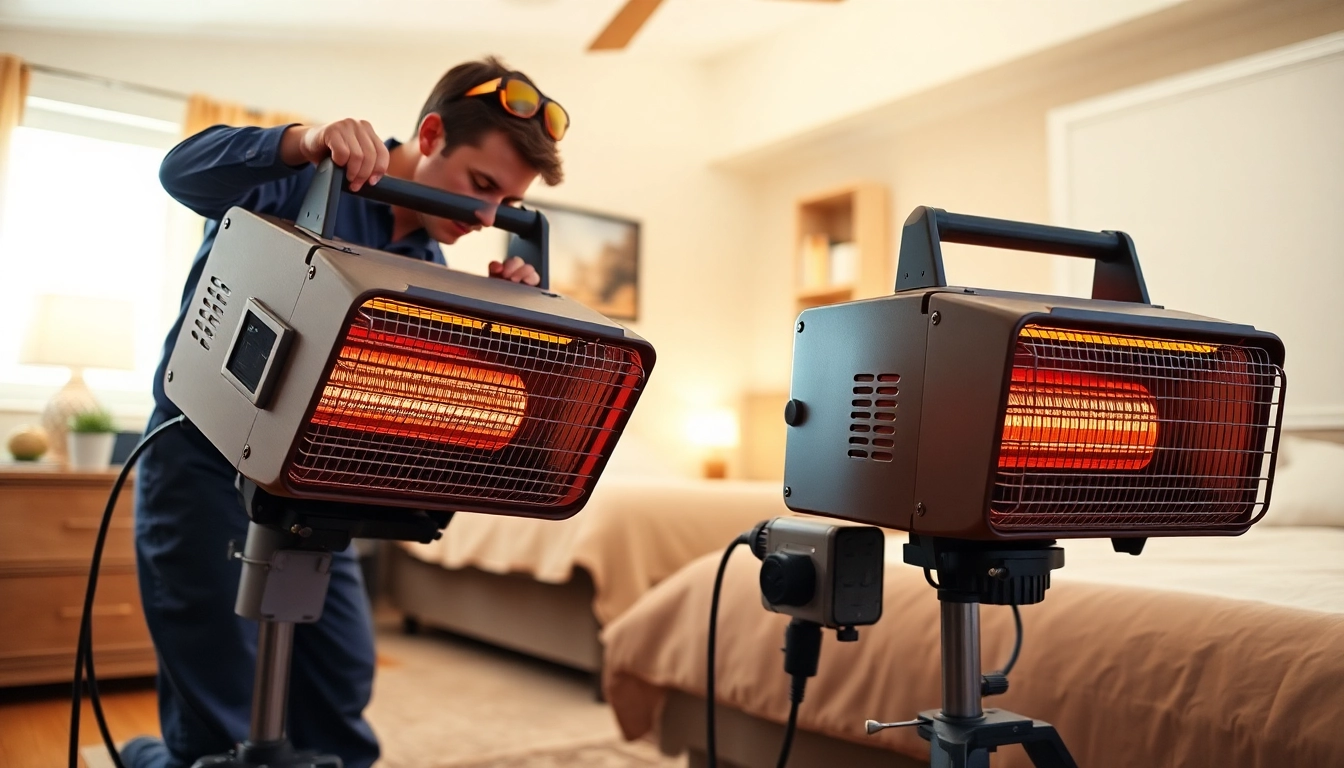
- Heating: Professional-grade heaters are placed throughout the infested areas to gradually raise temperatures to lethal levels.
- Monitoring: Continuous monitoring ensures that the targeted temperature is sustained long enough to effectively eliminate bed bugs.
- Post-Treatment Inspection: After treatment, an inspection is conducted to confirm the eradication of bed bugs. Follow-up treatments may be scheduled if necessary.
Temperature Levels for Effectiveness
Achieving and maintaining the correct temperature is critical for effective bed bug heat treatment. The recommended range is typically at least 120°F (49°C). However, professional exterminators often aim for 135°F (57°C) to ensure a more rigorous treatment. Maintaining these temperatures for 4-6 hours is crucial, as this duration allows for thorough heat penetration and eradication of all life stages.
Post-Treatment Follow-Up
Following a successful heat treatment, a follow-up is essential to ensure long-term effectiveness. Property owners should be vigilant for any signs of bed bug re-infestation in the weeks following treatment. If signs develop, they should consult their pest control professional immediately to assess and address any issues.
Comparing Bed Bug Heat Treatment to Other Methods
Heat Treatment vs. Chemical Treatment
When comparing bed bug heat treatment to chemical treatments, several factors come into play:
- Efficacy: Heat treatments effectively kill all stages of bed bugs and their eggs in one day, while chemical treatments may require multiple applications.
- Safety: Heat is a non-toxic approach, while chemicals pose potential health risks to humans and pets.
- Residual Effects: Chemical treatments can leave harmful residues that may require additional cleaning or safety measures, whereas heat leaves no hazardous residues.
Cost Analysis of Different Treatments
The cost of treatment varies based on the method utilized. Generally, heat treatment may have a higher upfront cost due to the specialized equipment and expertise required. However, its efficiency in eradicating bed bugs in one session can lead to cost savings in comparison to multiple chemical treatments, which may not yield immediate results.
Long-Term Efficacy
Long-term effectiveness is a critical consideration when choosing a treatment for bed bugs. Heat treatment offers lasting results, as it disrupts the reproductive cycle of bed bugs and effectively eliminates hiding populations. In contrast, chemical treatments may require regular monitoring and follow-ups to ensure they remain effective, as resistance can develop within pest populations over time.
Frequently Asked Questions
How long does bed bug heat treatment take?
The actual treatment typically lasts between 4 to 6 hours. However, the entire process, including preparation and follow-up inspections, may take longer.
Is bed bug heat treatment safe for pets?
Yes, bed bug heat treatment is safe for pets as it is a non-toxic method. However, pets should be evacuated during the treatment for their comfort.
Can I stay in my home during treatment?
It is recommended to vacate your home during heat treatment. This ensures safety and comfort while the treatment is in progress.
How soon can I re-enter my home?
Typically, you can re-enter your home after the technicians confirm that the treatment is complete and the temperature has returned to normal.
What happens to my belongings during treatment?
Your belongings should be removed or protected during treatment. Heat will effectively reach all infested areas, so most items can be treated in place safely.