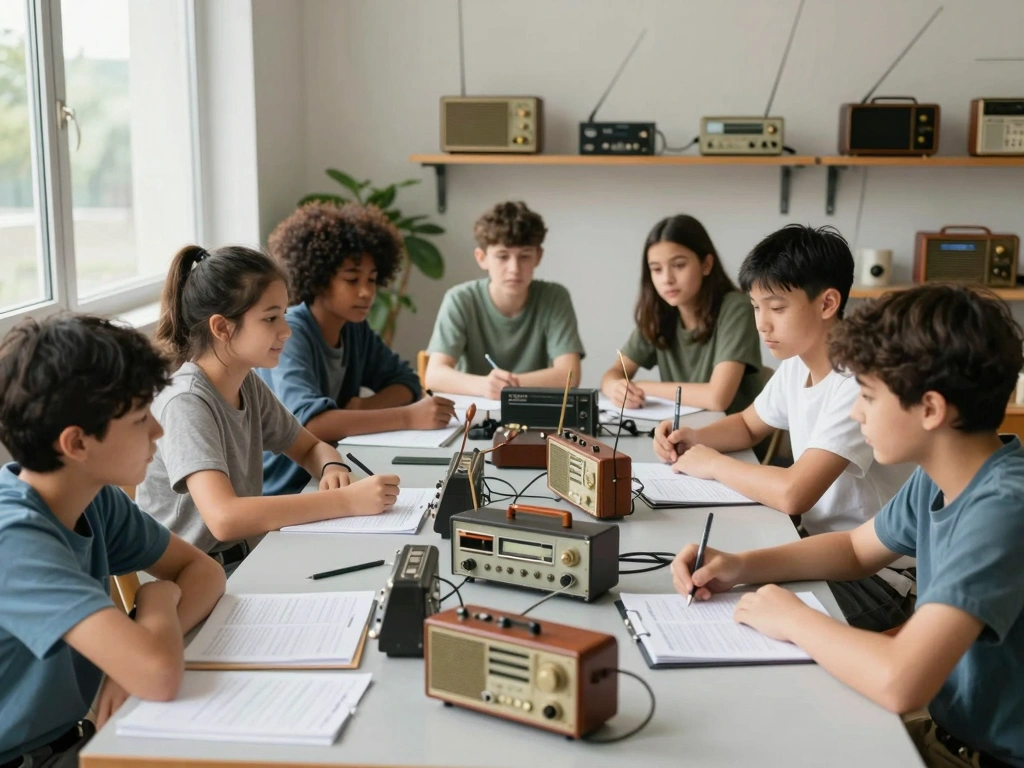
Understanding Screen-Free Play
In today's technology-driven world, the importance of screen-free play for children cannot be overstated. Screen-free activities not only promote healthy development, but they also encourage creativity, cognitive skills, and social interactions. Unplugged play allows children to explore their surroundings, interact with peers, and engage their imaginations in ways that screens often do not. To dive deeper into how you can keep your kids engaged without screens, learn more today.
The Importance of Unplugged Activities
Unplugged activities are critical for a child's mental and emotional well-being. These activities create opportunities for real-life social interactions and allow children to develop important skills like teamwork and communication. By engaging in imaginative play, children learn to problem-solve and innovate, skills that they'll carry into adulthood. Furthermore, physical activities foster gross motor skills, which are pivotal for overall health and fitness.
Benefits of Screen-Free Play
There are numerous advantages associated with screen-free play:
- Enhanced Creativity: Unstructured play fuels the imagination, allowing kids to create their own worlds and stories.
- Improved Social Skills: Children learn to share, negotiate, and cooperate with others.
- Better Focus: Less time on screens can improve attention spans and concentration.
- Physical Health: Outdoor and active play promotes physical fitness and combats obesity.
Common Misconceptions About Screen Time
While many people believe that all screen time is harmful, the reality is more nuanced. Certain educational programs and interactive content can offer benefits, but excessive screen exposure often leads to negative outcomes. Misconceptions include the idea that screens are the only way to keep kids engaged or that screen time is essential for learning. Understanding these myths can help parents make informed decisions about their children's activities.
Types of Screen-Free Toys
Choosing the right toys can significantly impact the quality of a child's screen-free playtime. Here are some popular types of screen-free toys that encourage active engagement:
Outdoor Games: Fun in Nature
Outdoor games provide excellent opportunities for physical activity. Popular outdoor toys include:
- Frisbees: Great for hand-eye coordination and running.
- Kites: Teach patience and offer visual stimulation when flying high.
- Jump ropes: Provide cardiovascular exercise while enhancing motor skills.
These activities not only keep children fit but also foster a love for the outdoors, encouraging exploration and adventure.
Arts and Crafts Supplies: Unleashing Creativity
Arts and crafts materials can ignite a child's imagination. Consider the following:
- Crayons and Markers: Ideal for drawing and coloring projects.
- Clay: Encourages tactile exploration and three-dimensional thinking.
- Painting Kits: Allow kids to express feelings and build fine motor skills.
Such activities nurture creativity and enable children to develop their artistic skills while expressing their feelings.
Puzzles and Board Games: Engaging Minds
Puzzles and board games are terrific for developing critical thinking and teamwork. Some options include:
- Jigsaw Puzzles: Help enhance spatial awareness and problem-solving abilities.
- Classic Board Games: Teach strategy, turn-taking, and cooperation.
- Card Games: Great for family time and building memory and attention skills.
These games can strengthen familial bonds and encourage strategic and analytical thinking.
How to Choose the Right Toys for Your Kids
Selecting the appropriate toys is essential in fostering a conducive environment for children. Here’s how to make effective choices:
Age Appropriateness: What to Look For
Always consider a child's age when choosing toys. Toys should be challenging enough to foster growth but should not be so complex that they lead to frustration. Educators often recommend:
- Simple toys for toddlers: Stackers and soft blocks.
- Preschoolers: Building sets and simple puzzles.
- Older kids: Advanced construction kits and strategic board games.
This ensures kids remain engaged and safe while playing.
Educational Value: Learning Through Play
Toys that have educational components can effectively blend fun and learning. Look for toys that promote:
- STEM skills: Science kits and engineering building sets.
- Literacy: Storybooks and word games.
- Creative thinking: Arts and crafts supplies.
Such toys help parents feel assured that playtime is also productive.
Durability and Safety: Ensuring a Secure Play Experience
Durability and safety are non-negotiable when choosing toys. Opt for products made of non-toxic, long-lasting materials. Consider:
- Age Labels: Confirm whether toys are suitable for your child's age.
- Material Quality: Select toys built to withstand rough usage.
- Safety Ratings: Look for safety certifications and reviews from other parents.
Vetting toys for safety ensures a worry-free playtime for both parents and kids.

Incorporating Screen-Free Play into Daily Routines
Making screen-free play a part of daily life involves intentional planning and creativity. Here are some strategies:
Setting Dedicated Play Times
Incorporating specific play times into daily routines helps children understand the importance of screen-free activities. Establish a schedule, allowing consistent play, perhaps after homework or meals, to cultivate a habit.
Creating Play Zones at Home
Designing specific areas in your home for play encourages children to engage more fully. Use comfortable furniture, adequate space, and easy access to a variety of toys. A designated play area can be a creative haven for children, boosting their enthusiasm for screen-free play.
Encouraging Collaborative Play
Facilitate collaborative play by organizing group activities. Encourage friends, siblings, or neighbors to join in on playtime. This interaction promotes teamwork and communication, enriching the play experience and fostering friendships.
FAQs on Screen-Free Toys and Activities
What are the best screen-free toys for toddlers?
Soft building blocks, shape sorters, and board books are excellent choices for toddlers, fostering motor skills and early learning without screens.
How can screen-free play improve my child's development?
Screen-free play enhances creativity, social skills, and cognitive abilities, allowing children to develop life skills while having fun away from screens.
Are there any benefits to outdoor play?
Yes, outdoor play encourages physical fitness, promotes mental well-being, and enhances social skills as children engage with their environment and peers.
How much screen time is appropriate for children?
Experts suggest limiting screen time to one hour a day for children aged 2-5 and encouraging screen-free play to foster better overall development.
What activities can I do with my kids instead of screens?
Board games, puzzles, arts and crafts, and outdoor sports are excellent alternatives, stimulating your children's minds and encouraging physical activity.