Understanding Screen-Free Play
In an age increasingly dominated by digital devices and screen time, the concept of screen-free play has taken on significant importance for child development. Engaging children in activities that do not involve screens promotes creativity, critical thinking, and social skills. This article delves into the essence of screen-free play, exploring its benefits, different types of toys that facilitate creative engagement, and how parents can strategically incorporate these activities into their children’s lives. If you're eager to learn more about how to keep children engaged without screens, learn more today.
The Importance of Creative Play
Creative play is essential in a child's early development as it helps foster imagination and problem-solving abilities. During creative play, children are given the freedom to explore their thoughts, experiment with ideas, and make decisions independently. It allows for the emergence of creative thought processes, which are invaluable throughout their academic and personal lives. By engaging in creative play, children learn how to express their emotions, communicate effectively with peers, and collaborate during group activities.
Benefits of Screen-Free Toys
Screen-free toys are not just alternatives to digital entertainment; they offer numerous benefits critical to a child's growth. Firstly, they enhance fine motor skills as children manipulate pieces, build structures, or create art. Secondly, these toys encourage cognitive development, as many require problem-solving and critical thinking. Thirdly, they promote social interaction, allowing for shared experiences and cooperative play. Lastly, using screen-free toys can improve attention span and patience, qualities that are increasingly necessary in a fast-paced world.
Parental Perspectives on Screen Time
Parents today are more aware of the psychological and physical effects of prolonged screen time on children. Many express concerns regarding their children’s dependence on screens, citing issues like decreased social interactions, reduced physical activity, and problems with focus. These perspectives have led to a growing trend toward incorporating screen-free activities into family routines. Parents recognize the need to balance screen time with engaging, hands-on experiences that can produce well-rounded individuals.
Top Types of Screen-Free Toys
The variety of screen-free toys available today caters to different interests and developmental stages. Here are some top choices that not only entertain but also educate children.
Building Blocks and Construction Sets
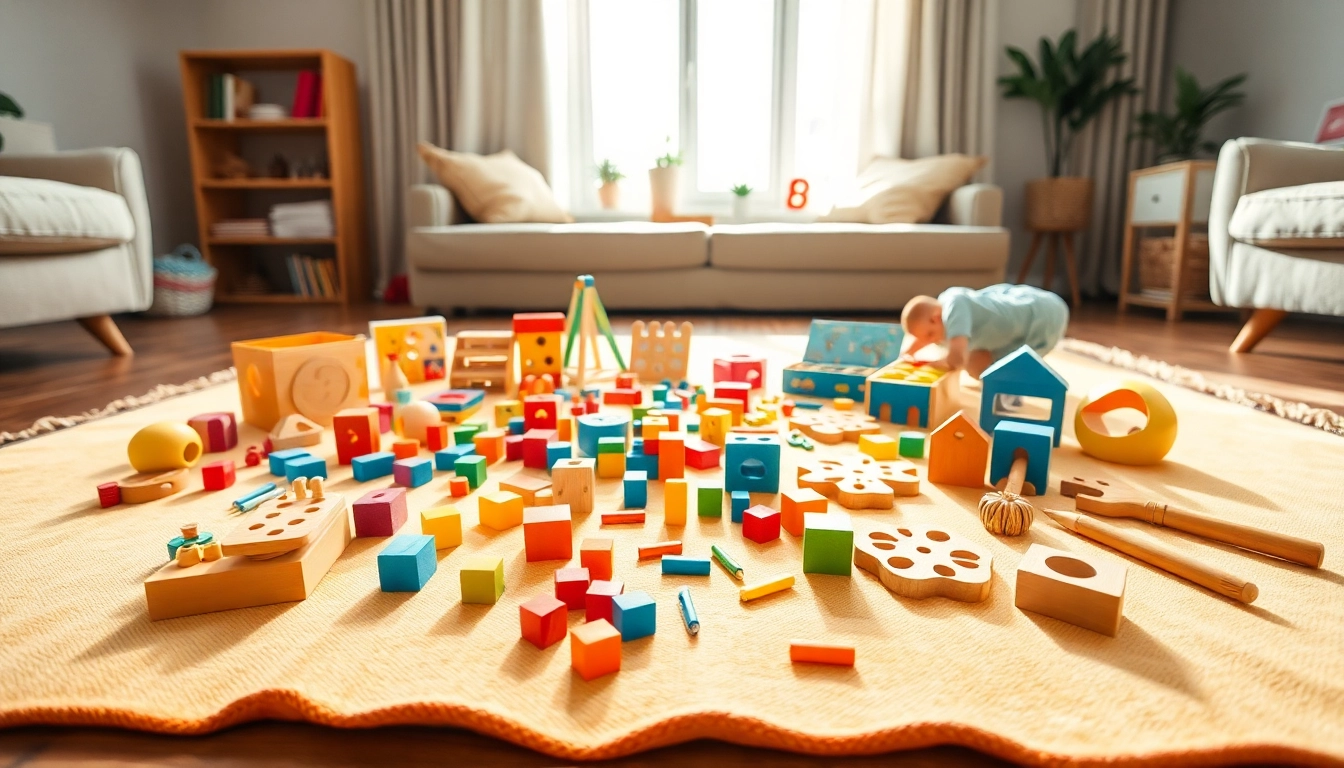
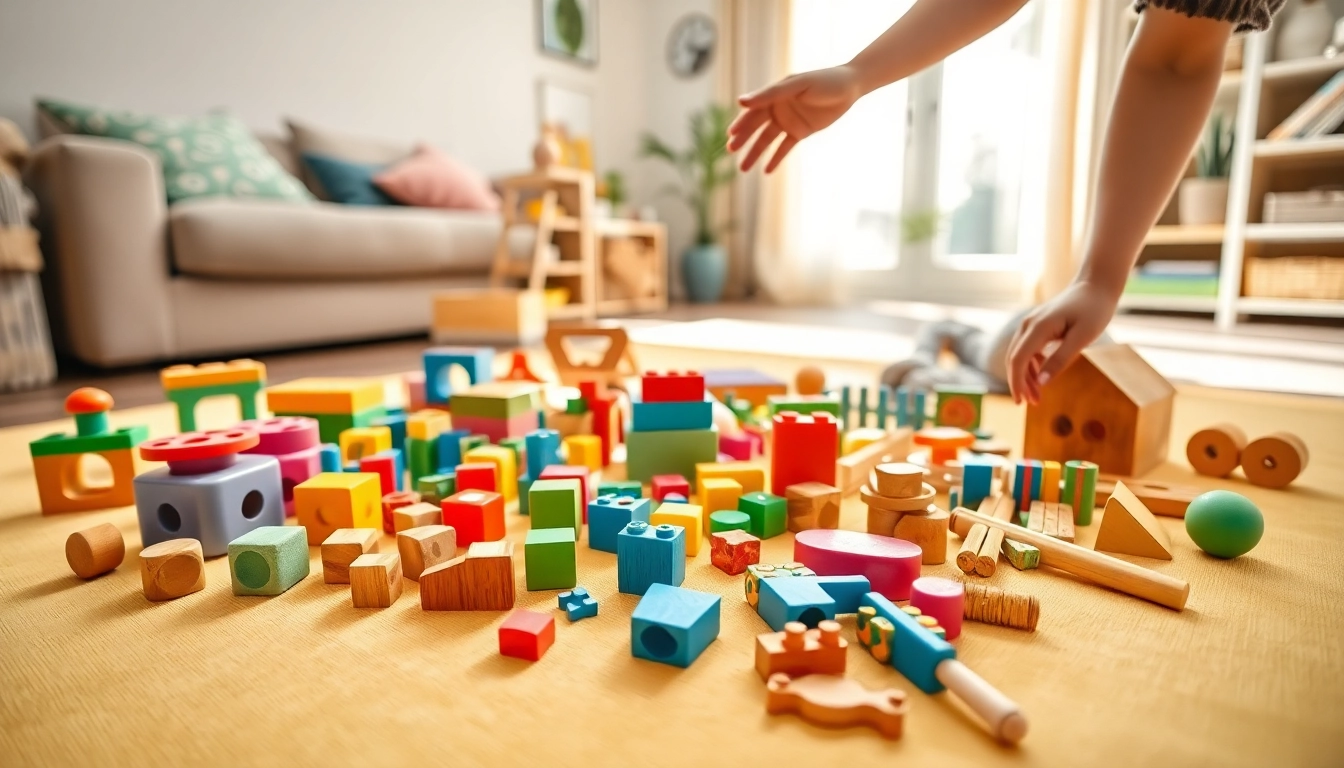
Building blocks and construction sets are classic toys that promote spatial awareness, creativity, and engineering skills. Whether made of wood, plastic, or foam, these toys encourage children to construct anything from simple structures to complex designs. Engaging with these toys also enhances problem-solving skills, as children must think critically about how to balance and fit pieces together. Popular types include LEGO sets, magnetic tiles, and traditional wooden blocks, each offering unique opportunities for open-ended play.
Art Supplies for Imaginative Expression
Art supplies provide a canvas for children’s imaginations, allowing them to express themselves creatively. Materials such as crayons, markers, paints, and modeling clay invite children to explore various artistic mediums. Through art, children not only gain confidence in their abilities but also learn to communicate their ideas visually. Structured art activities can teach skills like color blending and scissor use, while unstructured time allows for free exploration and personal expression.
Board Games and Card Games for Family Fun
Board games and card games are excellent for family bonding while promoting critical thinking and strategy skills. Many games challenge players' math, literacy, and logic abilities, making them educational as well as entertaining. From classic games like Monopoly and Scrabble to innovative new titles, the wide range available ensures that there is something suitable for every age and interest. Additionally, playing these games fosters social interaction and teaches valuable lessons about teamwork and sportsmanship.
How to Choose the Right Toys
Selecting the right toys for children requires careful consideration. Here are essential factors to keep in mind for making the best choice.
Age Appropriateness and Safety
When choosing toys, it's crucial to consider the child's age and developmental stage. Toys should be designed for the intended age group to ensure they are safe and engaging. For example, toys for toddlers should not have small parts that pose choking hazards. Additionally, always look for toys made from non-toxic materials that comply with safety standards, as this assures parents of their child's safety during play.
Durability and Quality of Materials
Investing in high-quality toys pays off in the long run. Durable toys withstand the tests of time and active play, making them a more sustainable choice. Materials such as solid wood, high-grade plastics, and metal components typically offer better longevity compared to cheaper variants. Additionally, well-crafted toys can often spark a child's imagination in ways that poorly made ones cannot.
Engagement Level and Educational Value
The most compelling toys are those that captivate a child's interest while providing educational value. Look for toys that challenge a child’s critical thinking skills, encourage creativity, and facilitate physical coordination. Engage them in play that represents real-world scenarios or stimulates their base knowledge, thereby reinforcing learning through enjoyable experiences.
Incorporating Screen-Free Play into Daily Routines
To promote lasting habits around screen-free play, parents can actively incorporate these activities into their children’s routines. Here's how to create an environment that encourages consistent engagement.
Creating a Play-Friendly Environment
Creating a designated space for play can make a significant difference in motivating children to engage in screen-free activities. An organized area filled with various toys can provide the stimulus necessary to inspire creativity. Parents should regularly rotate toys to maintain interest and exposure to different play experiences. Include elements such as art stations or construction areas to stimulate diverse types of creative play.
Setting Playtime Schedules
Establishing specific times for play can help create a structure that encourages children to embrace screen-free activities. Balance these times with other daily responsibilities like homework or chores, emphasizing play as an essential component of their day. Consistency helps children anticipate playtime, turning it into a valued part of their daily routine.
Encouraging Cooperative Play among Kids
Cooperative play aids in building social skills and fostering friendships among children. Parents can encourage this by inviting friends over for playdates or organizing group activities that require collaboration. Board games or building projects can serve as excellent settings for cooperative play, allowing children to negotiate, communicate, and work together, enhancing their social and emotional learning.
Frequently Asked Questions
What are the best screen-free toys for toddlers?
The best toys for toddlers include stacking blocks, soft dolls, and simple puzzles. These promote fine motor skills and cognitive development while being safe and engaging.
Can screen-free toys enhance learning?
Yes, screen-free toys can significantly enhance learning by promoting critical thinking, creativity, and social skills through interactive and imaginative play.
How much playtime should children have daily?
Experts recommend that children engage in at least 1-2 hours of active play daily, which should include both structured and unstructured times for optimal development.
Are wooden toys safer than plastic toys?
Wooden toys are often considered safer due to fewer toxic materials; however, it depends on the manufacturer and specific safety standards of the toy.
Where can I find unique screen-free toys?
Unique screen-free toys can be found at specialty toy stores, craft fairs, and online marketplaces dedicated to handmade or educational toys for children.