
Introduction
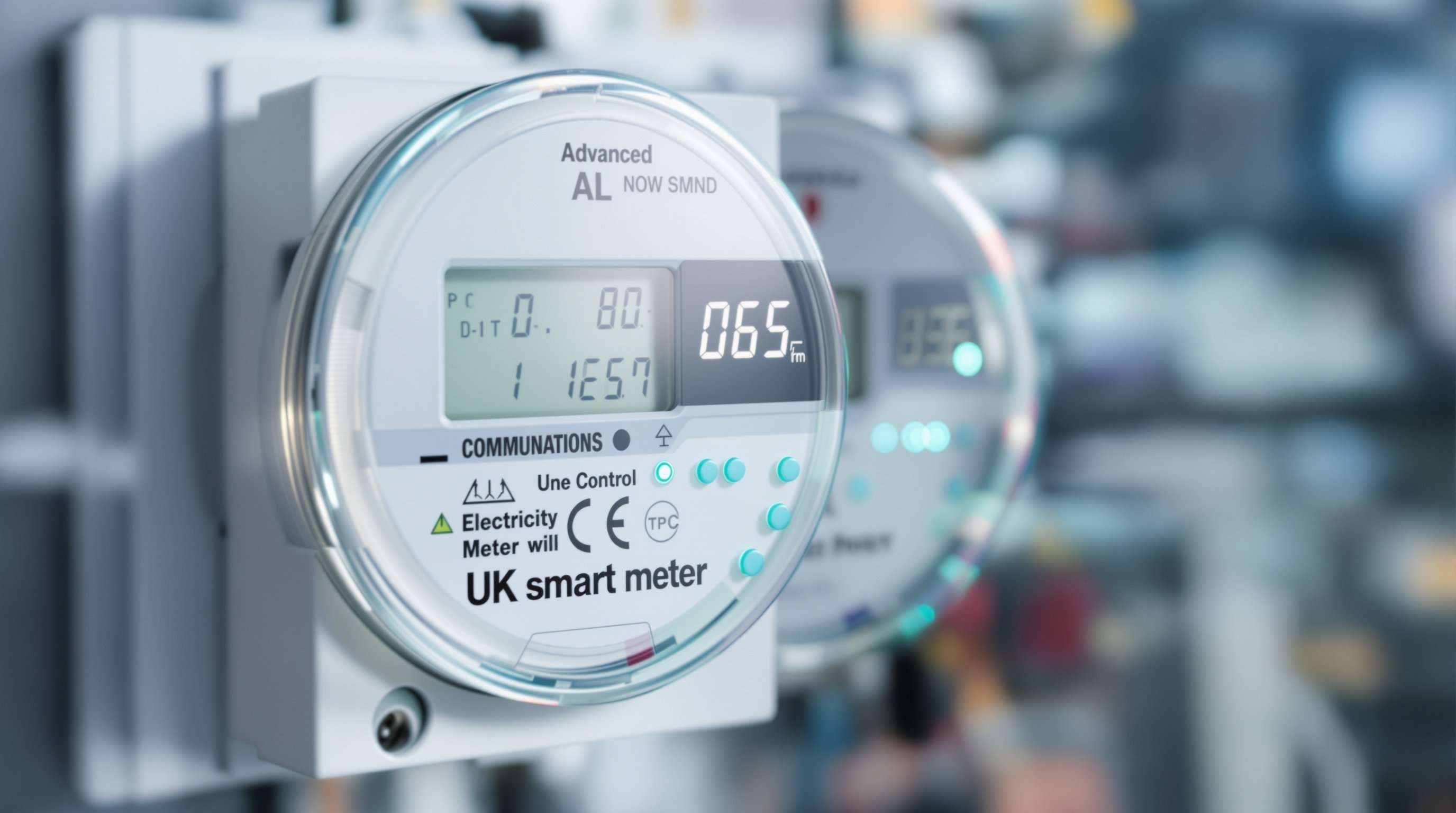
A Business Electricity Half Hourly Meter is now a key requirement for many UK companies in 2026, especially those with high or fluctuating electricity usage. A Business Electricity Half Hourly Meter records electricity consumption every 30 minutes and sends the data directly to suppliers for accurate billing and energy management. Understanding the Business Electricity Half Hourly Meter requirements is essential for compliance, cost control, and energy efficiency.
In simple terms, a Business Electricity Half Hourly Meter is not just a monitoring device—it is a regulatory and financial tool that helps businesses operate more efficiently. Many UK organisations are now required to use a Business Electricity Half Hourly Meter, while others choose to install one voluntarily to benefit from improved pricing and detailed usage insights.
What is a Business Electricity Half Hourly Meter?
A Business Electricity Half Hourly Meter is an advanced metering system that records electricity usage every 30 minutes (48 readings per day). The Business Electricity Half Hourly Meter automatically transmits this data to energy suppliers and settlement systems.
How the Business Electricity Half Hourly Meter Works
The Business Electricity Half Hourly Meter uses automated communication technology (AMR or smart systems) to send accurate consumption data. This ensures the Business Electricity Half Hourly Meter eliminates estimated billing and provides real-time energy insights.
Why It Matters in 2026
In 2026, the Business Electricity Half Hourly Meter plays a central role in the UK’s energy settlement system, allowing suppliers to charge based on actual usage rather than estimated profiles.
Legal Requirements for Business Electricity Half Hourly Meter in the UK
The UK energy market has strict rules determining when a Business Electricity Half Hourly Meter is mandatory.
Mandatory Usage Threshold
A Business Electricity Half Hourly Meter is legally required for businesses with a maximum electricity demand above 100 kW in any half-hour period. These businesses must use a Business Electricity Half Hourly Meter for accurate settlement and grid balancing.
Industry Classification Rules
Certain high-energy industries automatically require a Business Electricity Half Hourly Meter, including:
- Manufacturing plants
- Warehouses and distribution centres
- Large retail stores
- Data centres
- Hospitals and universities
These sectors rely on a Business Electricity Half Hourly Meter due to continuous and high electricity usage patterns.
Who Needs a Business Electricity Half Hourly Meter in 2026?
The requirement for a Business Electricity Half Hourly Meter depends on energy consumption levels, business size, and operational intensity.
Large Energy-Consuming Businesses
Any organisation with heavy machinery, industrial equipment, or 24/7 operations typically needs a Business Electricity Half Hourly Meter. This ensures accurate billing based on real-time consumption.
Businesses Near the Threshold
Companies using around 70–100 kW during peak periods may not be legally required but are often encouraged to adopt a Business Electricity Half Hourly Meter for better cost control.
Voluntary Adoption by SMEs
Smaller businesses sometimes choose a Business Electricity Half Hourly Meter voluntarily to access:
- Time-of-use tariffs
- Better energy tracking
- Improved budgeting accuracy
Even without legal obligation, a Business Electricity Half Hourly Meter can offer financial advantages.
Regulatory Changes Affecting Business Electricity Half Hourly Meter
Energy regulations in the UK are evolving, making the Business Electricity Half Hourly Meter even more important.
Market-Wide Half-Hourly Settlement (MHHS)
The MHHS reform is shifting the entire electricity market toward half-hourly data settlement. This increases the importance of the Business Electricity Half Hourly Meter, as all consumption will eventually be measured in half-hour intervals.
Transition of Meter Types
Older non-half-hourly meters are being phased out in favour of the Business Electricity Half Hourly Meter, especially for commercial and industrial users.
Benefits of Using a Business Electricity Half Hourly Meter
Even beyond compliance, a Business Electricity Half Hourly Meter offers several business advantages.
Accurate Billing
The Business Electricity Half Hourly Meter ensures companies are billed only for actual consumption, reducing estimated charges.
Cost Control and Savings
By analysing data from a Business Electricity Half Hourly Meter, businesses can identify peak usage times and reduce unnecessary energy costs.
Improved Energy Efficiency
A Business Electricity Half Hourly Meter helps businesses detect inefficiencies in real time, allowing operational improvements.
Better Contract Negotiation
Energy suppliers often offer more competitive tariffs to businesses with a Business Electricity Half Hourly Meter, since usage data is more predictable.
Common Misconceptions About Business Electricity Half Hourly Meter
Many businesses misunderstand the purpose of a Business Electricity Half Hourly Meter.
It Is Not Only for Large Corporations
While often used by large companies, a Business Electricity Half Hourly Meter can also benefit medium-sized businesses with growing energy needs.
It Does Not Increase Energy Bills
A Business Electricity Half Hourly Meter does not directly increase costs; instead, it provides transparency that can reduce long-term expenses.
Installation Is Not Complicated
Modern Business Electricity Half Hourly Meter systems are typically installed with minimal disruption to operations.
Future of Business Electricity Half Hourly Meter in the UK
The role of the Business Electricity Half Hourly Meter is expected to expand significantly beyond 2026.
Full Digital Energy Monitoring
The Business Electricity Half Hourly Meter will become part of a fully digital smart energy ecosystem across the UK.
Integration with Smart Systems
Future systems will combine the Business Electricity Half Hourly Meter with AI-driven energy management tools.
Greater Sustainability Goals
The Business Electricity Half Hourly Meter will help businesses meet carbon reduction targets by enabling smarter energy consumption tracking.
Conclusion
The Business Electricity Half Hourly Meter is becoming essential for UK companies in 2026 due to regulatory requirements, energy market reforms, and increasing demand for efficiency. Any business with high electricity usage is likely required to install a Business Electricity Half Hourly Meter, while many others adopt it voluntarily for cost savings and better energy control.