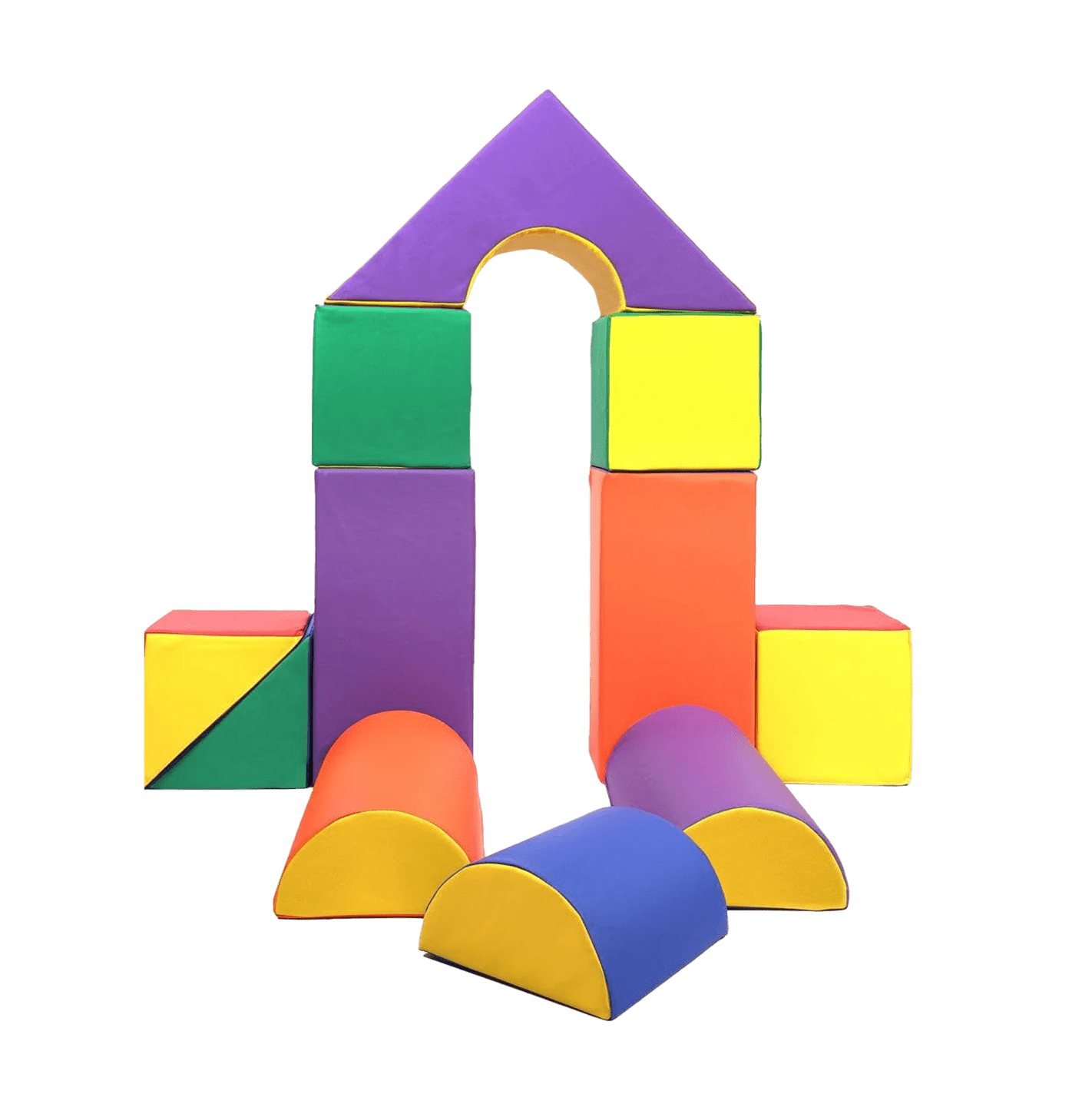
Introduction to Giant Building Blocks
In the world of play, giant building blocks have carved a significant niche, captivating children and adults alike with their remarkable potential for creativity and imagination. These colorful, oversized foam blocks offer more than just fun; they serve as tools for learning and development. If you're considering adding these playful giants to your space, get the details on the many benefits and features they possess.
What Are Giant Building Blocks?
Giant building blocks are large, often lightweight, foam constructs designed for interactive play. Typically made from soft foam materials, these blocks come in various sizes and shapes, allowing for endless configuration possibilities. Unlike traditional building blocks made of wood or plastic, giant foam blocks are specifically designed for safety, encouraging children to explore their building abilities without the risk of injury.
Benefits of Playing with Building Blocks
The educational and developmental benefits of giant building blocks extend far beyond mere entertainment. Engaging in block play helps children enhance fine motor skills, improves their hand-eye coordination, and fosters spatial awareness. Moreover, as children experiment with different structures and designs, they develop critical thinking and problem-solving abilities. Building blocks also promote social skills as children collaborate to bring their imaginative ideas to life.
Different Types Available
Giant building blocks come in various materials and configurations. Soft foam blocks are great for indoor play, while some sets are made with weather-resistant materials for outdoor use. Additionally, certain blocks have unique textures or designs, such as interlocking pieces or ones that emit sounds, which can provide further sensory stimulation for young builders.
Setting Up the Perfect Play Area
Choosing the Right Space
Creating an optimal environment for block play is crucial. Ideally, the space should be spacious enough to accommodate various building activities. Whether it's a dedicated room or an outdoor area, ensuring minimal distractions will enhance the overall play experience. Additionally, having a flat surface is essential, as it provides stability for taller structures.
Safety Considerations for Indoor Play
Safety is paramount when setting up a play area for giant building blocks. Consider padding on the floor, such as foam mats or carpet, to cushion any falls. Additionally, make sure the area is free from sharp objects and potential hazards. Age-appropriate supervision is also necessary to ensure children are engaging with the blocks safely, especially when building taller structures.
Essential Accessories for Enhanced Play
To elevate the building experience, consider incorporating accessories like themed backgrounds, construction tools, or even costumes that tie into the play scenarios. Utilizing simple items such as ropes or hoops can encourage imaginative play, allowing children to create ropes courses or obstacle courses featuring their block structures. Providing building challenges can also stimulate creativity, making the play session more engaging.
Creative Building Ideas for Kids
Structures to Inspire Imagination
When it comes to building with giant blocks, the possibilities are endless. Encourage children to construct everyday structures like houses, towers, or bridges. More adventurous builders can create fantastical castles, pirate ships, or rocket ships—structures that spark their imagination while developing their architectural skills. Providing specific challenges, such as building a bridge that can hold a certain weight, can also deepen their understanding of engineering principles.
Incorporating Themes in Play
Thematic play is a great way to enhance engagement. Use popular themes from children's stories, movies, or historical contexts. For example, a "superhero base" could be created where kids design their own hideouts. Alternatively, incorporating elements from nature or architecture can inspire children to mimic real-world structures while putting their twists on them. Additionally, using art supplies like paints and stickers can help personalize their creations, making the experience even more meaningful.
Collaborative Projects for Group Play
Block play is an excellent opportunity to engage multiple children in collaborative projects. By dividing into teams, kids can work together to create larger structures, promoting teamwork and communication. You can also introduce friendly competitions, such as timed building challenges. This not only makes play more exciting but also helps children learn to share resources, delegate tasks, and celebrate each other's contributions.
Activities and Games with Building Blocks
Fun Challenges to Foster Teamwork
Introducing structured challenges can turn block play into a dynamic exercise in teamwork. Set time limits for building specific structures or implementing rules where certain techniques must be used. Challenges can also be themed, like creating a stable tower using a limited number of blocks. These activities encourage children to strategize together while learning crucial interpersonal skills.
Educational Games Using Blocks
Giant building blocks can be seamlessly woven into educational games that enhance learning. Use blocks for math activities, where children calculate area or volume by creating various structures. Language skills can also be developed by creating stories that involve the structures they build. Moreover, science concepts like balance and gravity can become more relatable and engaging with practical examples in block play.
Seasonal and Themed Building Ideas
Utilizing the changing seasons can refresh play ideas. In the fall, encourage the construction of a haunted house or a corn maze. Winter can be a time for building igloos or snowmen, while spring can inspire creations like flower gardens or birdhouses. Tailoring projects to each season not only keeps the play dynamic but also allows for the discovery of nature and the environment, enhancing educational aspects.
Maintenance and Care for Your Blocks
Cleaning and Sanitizing Tips
To ensure longevity and hygiene, regular cleaning and sanitizing of giant building blocks are essential. Using a mild soap solution and a soft cloth is typically enough to remove dirt and grime. Make sure to rinse them with clean water afterward and allow them to dry thoroughly before storage to prevent mold and odors.
Storage Solutions for Easy Access
Proper storage helps in prolonging the life of your building blocks. Designate a storage area where blocks can be easily accessed and organized. Use bins or shelves and label them based on size or type, making it easier for children to locate and put away blocks after playtime. This practice not only keeps the play area tidy but also teaches kids responsibility.
When to Replace or Upgrade Your Blocks
Inspecting your blocks regularly is essential to determine if they need replacing. Signs of wear and tear like cracks, deformation, or excessive dirt accumulated on the surface may mean it's time to upgrade. Investing in high-quality blocks can offer more durability and longevity, helping to maintain their playability over time.
FAQs
What age group are giant building blocks suitable for?
Giant building blocks are suitable for children aged 2 and above, encouraging creativity and motor skills development in a safe environment.
Are they safe for indoor use?
Yes, most giant building blocks are constructed from soft foam to ensure safety during indoor play, minimizing injury risks associated with hard surfaces.
How many blocks do you need for a good setup?
A set of 20-30 blocks allows for various building options, but having a larger collection can enhance creativity and facilitate larger projects.
Can these blocks be used outdoors?
While primarily designed for indoor use, some foam blocks can be suitable for outdoor play if designed with weather-resistant materials.
How do you clean giant building blocks?
Cleaning involves using mild soap and water. Ensure that blocks dry thoroughly afterward to maintain their quality and prevent moisture issues.