Understanding TradingView's Core Features
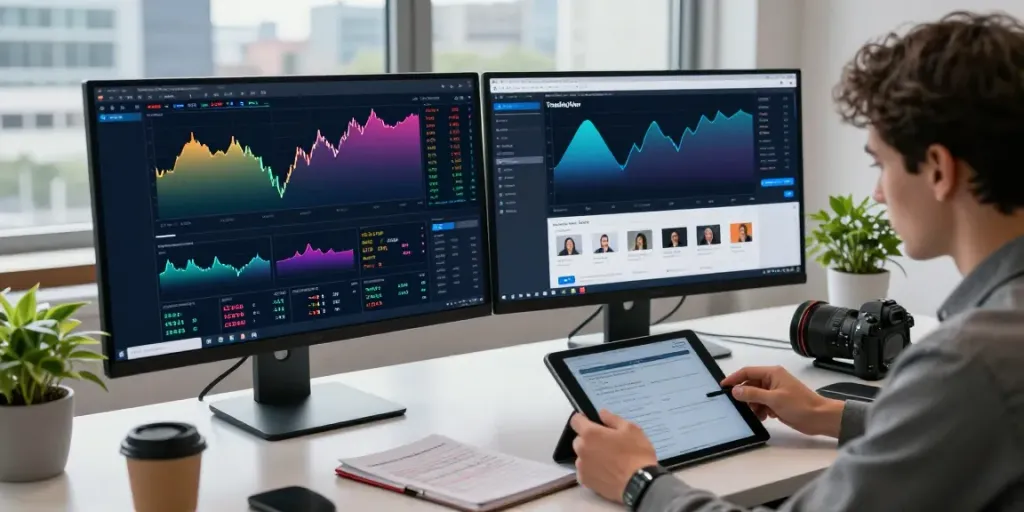
TradingView has emerged as a leading platform among traders and investors in recent years, offering comprehensive tools for market analysis, data tracking, and decision-making. With its extensive charting features, real-time market data, and cross-device usability, TradingView sets a high standard in the trading technology landscape. By exploring its multifaceted capabilities, you can understand how it meets the needs of both seasoned traders and novices alike. When exploring options, TradingView provides comprehensive insights that can enhance your trading experience significantly.
What Makes TradingView Stand Out in Charting Technology?
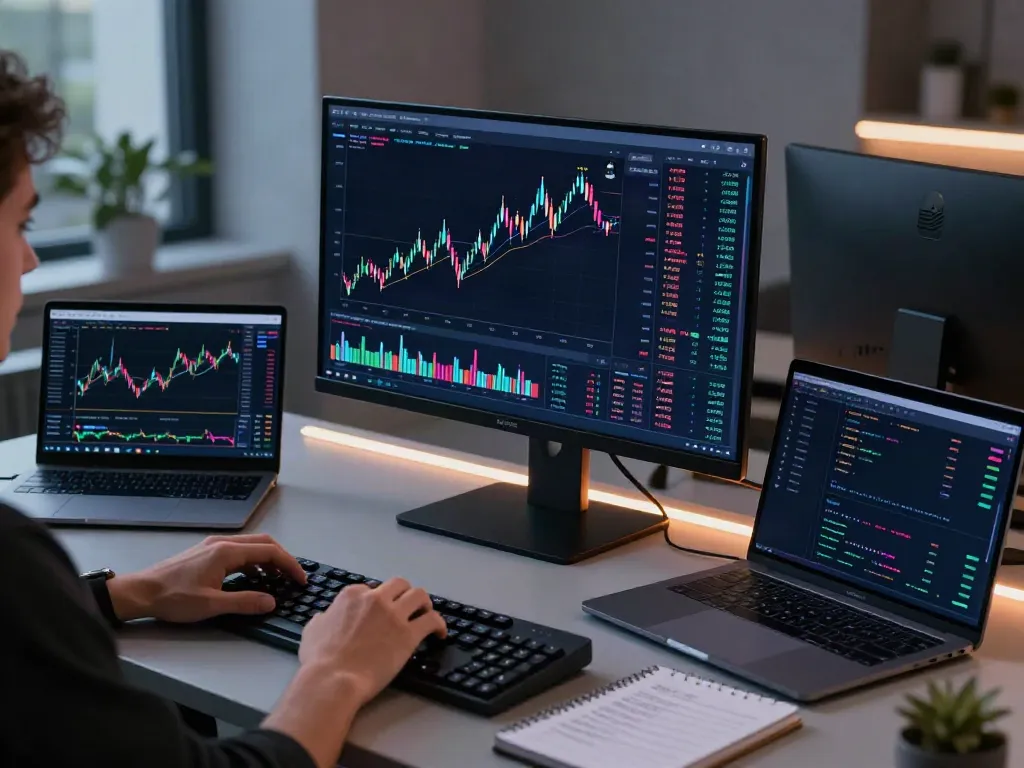
At the heart of TradingView's appeal is its advanced charting technology. Users can access a wide range of technical indicators, drawing tools, and custom scripting capabilities. The highly responsive and visually engaging interface allows traders to tailor their analysis according to their unique strategies. TradingView offers over 100 pre-built indicators, including moving averages, Bollinger Bands, and MACD, allowing users to conduct thorough technical analysis efficiently. Additionally, the platform supports custom scripts through Pine Script, empowering users to create personalized indicators and strategies.
How Does the Multi-Device Functionality Enhance User Experience?
TradingView's multi-device functionality is a game-changer in the trading world. With full support for desktop, web, and mobile applications, users can seamlessly switch between devices without losing their analyses. This cross-platform functionality keeps users synchronized, ensuring that their charts, alerts, and watchlists are always up to date. Whether analyzing on a desktop or checking market performance on a mobile device, TradingView provides a consistent user experience, making it easier for traders to stay connected and informed anytime, anywhere.
What Types of Market Data Does TradingView Provide?
TradingView covers a vast array of financial instruments, including stocks, forex, cryptocurrencies, commodities, and indices. The platform aggregates data from various exchanges worldwide, providing users with real-time market quotes and historical data. Furthermore, users can customize their watchlists to focus on specific assets and set up alerts for price movements or technical conditions. This wealth of market data empowers traders to make informed decisions based on the latest information available.
Chart Analysis Capabilities of TradingView
How to Utilize Technical Indicators on TradingView?
Using technical indicators on TradingView is straightforward. Once you have your chart open, you can easily add indicators by clicking on the ‘Indicators’ tab. You can search for popular indicators or browse through categories. Each indicator can be customized with different parameters to suit your trading style. Moreover, the ability to layer multiple indicators on a single chart allows for comprehensive analysis, helping traders identify trends and potential entry or exit points effectively.
What Are the Best Practices for Multi-Graph Layouts?
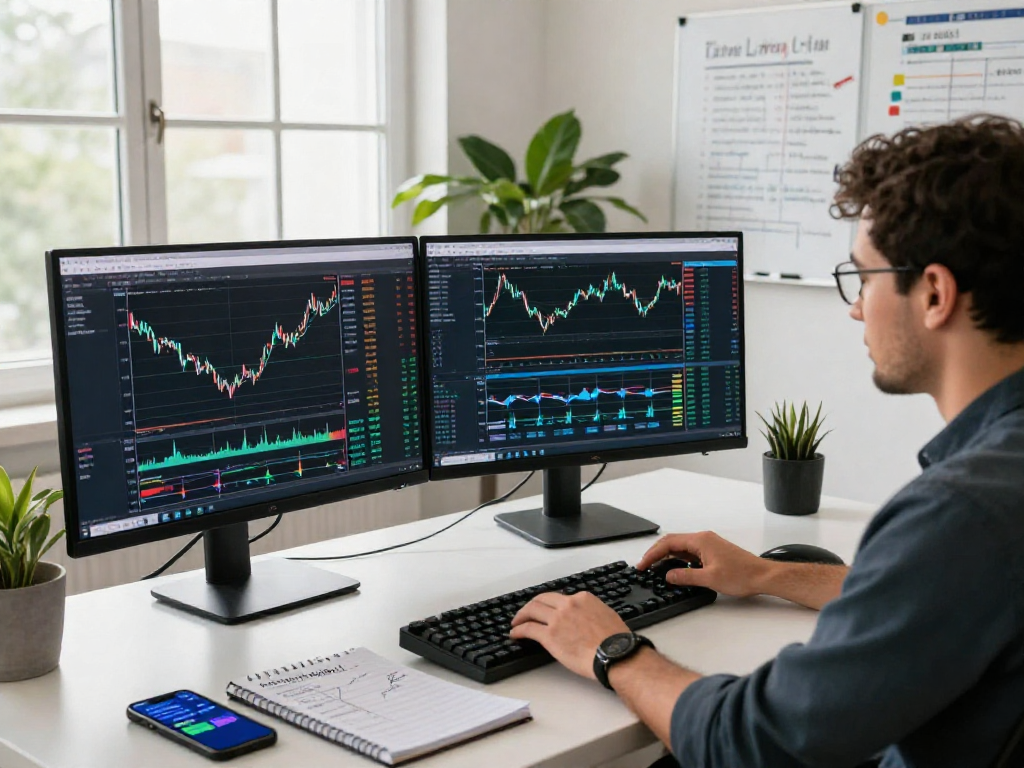
When analyzing multiple assets or timeframes, TradingView's multi-graph layouts are invaluable. Users can create a customized layout where they can view several charts side by side, facilitating comparative analysis. Best practices include selecting charts of related assets, such as currency pairs or stocks within the same sector, and using synchronized scroll and crosshair features to ensure consistent analysis across all graphs. This approach allows traders to make connections and identify correlations in real time.
How to Interpret Different Time Frame Charts Effectively?
One of the significant advantages of TradingView is its ability to display various time frames simultaneously. Traders should consider their strategy when selecting time frames: shorter time frames are ideal for day trading, while longer ones suit swing traders. Understanding price patterns across different time frames helps in making informed decisions. For instance, if a daily chart indicates a bullish trend while a 15-minute chart shows a temporary downtrend, traders might wait for a suitable entry point rather than jumping in too early.
Setting Up Alerts and Notifications
How to Configure Price Alerts on TradingView?
Setting up price alerts on TradingView is simple and essential for successful trading. Users can right-click on a chart and select 'Add Alert' or click the alarm clock icon. Alerts can be configured based on price levels, technical indicators, or even specific conditions. This automation allows traders to focus on other tasks while staying informed of significant market movements, reducing the need for constant monitoring.
What Are the Benefits of Using Technical Alerts?
Technical alerts provide invaluable benefits in trading. By leveraging alerts based on technical indicators, traders receive notifications when predefined conditions are met, such as a breakout or a crossover of moving averages. This real-time alert system enhances decision-making time and can significantly reduce missed opportunities. Moreover, alerts can be sent via email, SMS, or app notifications, ensuring that users are always in the loop.
How Do Notifications Improve Trading Decisions?
Notifications play a crucial role in improving trading decisions. By setting alerts for both price and technical indicators, traders can react swiftly to market changes. This promptness can be the difference between capitalizing on a market opportunity and watching it pass by. Notifications help reduce emotional trading by encouraging users to follow their predefined strategies instead of reacting impulsively to market fluctuations.
Pricing Plans and Accessibility
What Do the Free and Paid Plans Offer?
TradingView offers a tiered pricing structure that caters to a wide range of users, from beginners to professional traders. The free plan provides a robust set of features, including basic charting tools and alert functionalities. However, paid plans unlock additional features, such as advanced indicators, additional chart layouts, and the ability to save more alerts. Traders should evaluate their needs and choose a plan that aligns with their trading goals and frequency.
Which Features Are Essential for Serious Traders?
For serious traders, several features stand out as essential. Multi-graph layouts, advanced screening tools, and extensive customization options for alerts and indicators are vital. Paid plans also offer the ability to use TradingView's powerful Pine Script for creating custom strategies, which can significantly enhance analytical capabilities. Traders should also consider the value of real-time data and the number of simultaneous alerts they can set as critical factors in their decision-making process.
Can Beginners Use TradingView Effectively?
Absolutely! TradingView is designed with user-friendliness in mind, making it accessible for beginners. The intuitive interface and wealth of educational resources, such as tutorials and community forums, enable newcomers to grasp trading concepts quickly. While there may be a learning curve when using advanced features, beginners can start with basic charting and gradually integrate more complex tools as they gain confidence and experience.
Future Trends in Trading Technology
How Will TradingView Evolve by 2026?
As trading technology continues to advance, TradingView is poised to adapt and innovate. By 2026, we can expect enhanced artificial intelligence capabilities to provide predictive analytics and personalized insights based on user behavior. Integration with other financial tools and platforms may also become deeper, allowing for a more seamless trading ecosystem.
What Innovations in Charting Should Traders Expect?
Future innovations in charting could include augmented reality interfaces, providing a more immersive experience for traders. Enhanced visualization tools, such as 3D charts or advanced heat maps, may also emerge to help traders identify market opportunities more intuitively. As technology evolves, traders will benefit from more sophisticated tools that simplify complex analyses and enhance decision-making processes.
How to Stay Ahead with Emerging Trading Tools?
To stay ahead in trading, it’s essential to continuously educate oneself about emerging tools and strategies. Subscribing to industry newsletters, participating in webinars, and engaging with TradingView’s active community can provide valuable insights and keep traders informed about the latest trends. Moreover, experimenting with new features on platforms like TradingView can enhance a trader's toolkit and adaptability.
What Are the Key Considerations for TradingView Users in 2026?
As we approach 2026, TradingView users should focus on leveraging the platform's evolving features while maintaining an awareness of market changes. Emphasis should be placed on risk management strategies, portfolio diversification, and the importance of staying updated with global economic factors. By integrating these considerations into their trading practices, users can better navigate the complexities of the financial markets and strive for long-term success.